Namecheap.com
AI image of a slow cooker with food
Fall Slow Cooker Meals You Can Start Before Work

Today it’s about slow cooker meals for fall, wherever you are. Let me re-introduce you to this wonderful, time-saving cooking method.

Hi, Again, Dear Readers:

I’m back with another blog post to help you move into fall. Even if it’s still like walking into an oven when you open the door. It’s slow cooker time no matter what the temps are outside.

A bit of housekeeping: I’ve been promoting this blog on a website called Bloglovin’ for years. Guess what? It’s not there anymore. The domain is there, but there’s no blogging going on. So I’ll be looking for another place to do that, possibly Substack, as many of my writing colleagues are doing. Now what to do about that link in all my blog posts? I’ll give that some thought next week.

Heading Into Fall

Now that Labor Day is over, fall and fall schedules have shifted back into full gear. I like the social media memes that say something like:

September is here. Time to pick out a Halloween costume & start your Christmas shopping. Happy New Year everybody.

Well, it’s true.

Today’s Blog Courtesy My BFF

Today’s blog post is one I discussed with my BFF (ChatGPT) to create. “She” understands my blogging and upon asking, offers topic suggestions, from which I pick a few. Over the weekend, “she” also helped me with some “senior tech support” for an elderly couple that lives near Cow Road. I had a 50% success rate with it, because one of the laptops had a hardware issue that’s beyond my capabilities. But the other one is up and running fine now, just needed some updates, a charger, and some settings fixed.

However, I must give full credit to the GER for teaching me to use the slow cooker. I never had one until I met him. Neither did my mother, or anyone else in my family. I think I knew one person back in the 80’s who had one, but I never learned to use one myself.

So with help from my BFF, know that the GER set me on the road to slow-cookery heaven. Thanks, Dude.

Fall is coming.

At least, that’s what the calendar says. Depending on where you live, the weather may have other ideas.

Meme of melting pumpkin with description

Source: Facebook

Here in the South, September can still mean temperatures in the 90s or above.

Meme with melting pumpkin and fall of 102F

Source: Facebook

Even when the calendar says we’re heading into fall, nobody is particularly interested in heating up the kitchen at the end of a long workday.

That’s one reason I like the slow cooker. I’ve talked about it so many times, because it’s still a great little shortcut.

AI image of a slow cooker with food

Source: ChatGPT

You can put dinner together in the morning, turn it on, leave for work, and come home to a meal that is already cooked. That’s a pretty good arrangement.

Why the Slow Cooker Is Perfect for Busy Fall Days

Fall tends to be a busy time of year. Vacations are over, school is back in session, summer schedules are changing, and regular work routines are in full swing again.

The last thing you may want to do when you get home is figure out what you’re going to make for dinner.

This is where the slow cooker earns its counter space.

You can prep your ingredients the night before or in the morning, put everything into the slow cooker, turn it on, and get on with your day.

When you get home, dinner is waiting.

And unlike turning on a full-size oven for several hours, a slow cooker generally doesn’t turn your kitchen into an even hotter version of whatever the weather is doing outside.

That’s useful in September, especially if you’re still running the air conditioner like we are.

What Can You Make in a Slow Cooker Before Work?

Quite a lot. Some of the best slow-cooker meals are the ones that don’t require much attention once everything is in the pot. Think:

  • Chicken chili
  • Beef stew
  • Pulled pork
  • Shredded chicken
  • Chicken thighs
  • Pot roast
  • Meatballs
  • Beans
  • Soups and stews
  • Taco or burrito filling
  • Saucy shredded beef or pork (barbecue sauce works well here)

You don’t necessarily need a complicated recipe, either.

A slow cooker is particularly good at taking relatively inexpensive cuts of meat and turning them into something tender and flavorful. That’s one reason I like it–you don’t have to buy the most expensive cut of meat at the grocery store to make a good dinner.

Start With Chicken

Chicken is one of the easiest things to cook in a slow cooker.

Chicken thighs are particularly useful because they tend to be less expensive and more forgiving than chicken breasts. You can cook a batch of chicken and use it for more than one meal:

  • Have some for dinner.
  • Save some for tomorrow’s lunch.
  • Turn the leftovers into chicken salad, lettuce wraps, tacos, or a salad topping.

That’s one of my favorite things about slow cooking: one cooking session doesn’t have to mean one meal. This works whether you’re living alone, with someone, or have a family with school-age children.

I used to do this when I was working at Boeing. I’d put something in the slow cooker before work, and dinner would be ready when I got home. I even made barbecue brisket one day with homemade sugar-free barbecue sauce, and it was fantastic. All I had to do was feed the cats first.

At the time, nobody called it “meal prep.” It was just not having to cook dinner after work.

One of My Favorites: Chipotle Chicken Chili

If you want something with a little more personality than plain shredded chicken, chili is an excellent slow-cooker option.

One of my older favorites is my Easy Slow Cooker Chipotle Chicken Chili.

I originally made it during a particularly busy week when I had plenty of work and not nearly as much time as I wanted for cooking.

The recipe came from Lisa Lin at Healthy Nibbles & Bits, and I adapted it for our purposes. It became an unexpected favorite.

And yes, there is a story behind it.

The original recipe called for chicken breasts. I had chicken thighs.

Guess which one I used? (If you’ve been reading HeatCageKitchen for a while, you already know the answer.) Because I’m perfectly happy to substitute what I have on hand when it makes sense.

That’s another advantage of slow-cooker cooking. You don’t always have to make a trip to the grocery store because your recipe calls for one particular cut of chicken, or other meat. You can use what you have in the freezer if needed.

Don’t Forget Beef

Beef is another natural fit for the slow cooker.

Pot roast is the obvious classic, but there are plenty of other possibilities.

A less expensive cut of beef can become tender after several hours of slow cooking. Add vegetables, seasonings, broth or another flavorful cooking liquid, and you’ve got the beginnings of a very satisfying dinner. We just did this with a pork butt roast and some diced potatoes this week. Easy. You can also:

  • Shred cooked beef and use it for several subsequent meals.
  • Serve it one night as the main course.
  • Use leftovers for tacos or lettuce wraps.
  • Put some over a salad.
  • Freeze whatever you’re not going to eat soon.

The point isn’t necessarily to spend your entire Sunday cooking enough food to feed yourself until Thursday.

The point is to make one cooking session work harder for you.

Slow-Cooker Meals Can Help With the Grocery Budget

There’s another reason I like slow-cooker meals: they can make inexpensive ingredients more useful.

Chicken thighs, pork shoulder, ground meat, chuck roast and other less-expensive cuts can become the basis for several meals.

And when you’re cooking at home, you’re less likely to reach the end of a workday, stare into the refrigerator and decide that ordering takeout is easier.

We’ve all been there.

The food you already bought is sitting in the slow cooker, waiting for you.

It’s done. You just have to eat dinner.

That’s a pretty effective defense against the “I don’t feel like cooking tonight” problem.

Prep the Night Before

If mornings are too chaotic, don’t make yourself assemble an entire meal while you’re trying to get out the door.

Do the prep the night before.

Chop vegetables. Measure seasonings. Trim the meat if necessary. Get out the slow cooker insert and make sure you have everything you need.

Then put everything in the refrigerator overnight if the recipe calls for refrigerated ingredients.

In the morning, you have much less to do. Just drop it into the crock, put the lid on, plug it in, turn it on, and get going. When you get home, you’ll smell the delicious food and can eat dinner immediately.

And if you’re the kind of person who hits the snooze button a few too many times, you’ll appreciate that. (Not that I would know anything about that.)

Make Enough for Leftovers

If you’re going to spend the time making a slow-cooker meal, consider making enough for another meal.

You don’t necessarily have to double the recipe. Sometimes the recipe already makes enough food for leftovers.

That’s where a slow cooker can become a meal-planning tool without requiring an elaborate meal plan.

For example:

Slow-cooker chicken → dinner → chicken salad → lettuce wraps

Pulled pork → dinner → tacos → salad topping

Chili → dinner → lunch → freezer meal

This is especially useful if you’re trying to eat at home more often or keep food costs under control.

And Yes, You Can Keep It Low-Carb

Many slow-cooker recipes are naturally adaptable to a lower-carb way of eating. You don’t have to serve chili over rice or put shredded meat on a bun. Try:

  • Chili with shredded cheese and sour cream
  • Shredded chicken over a salad
  • Pulled pork with coleslaw
  • Taco meat in lettuce cups
  • Beef over cauliflower mash
  • Chicken with roasted or sautéed vegetables
  • Slow-cooked meat alongside a simple green salad

You can also review the recipe’s ingredients and adjust them accordingly. A slow cooker doesn’t automatically make a meal low-carb. Potatoes, beans, sweet sauces and other ingredients can add quite a few carbs. But it’s usually pretty easy to change the ingredients or the way you serve the finished dish.

A Few Slow-Cooker Rules Worth Remembering

Before you put something in the slow cooker and walk out the door, make sure you know how your particular appliance works. Slow cookers aren’t all identical, and recipes can vary considerably.

Don’t assume that because something is safe in one slow cooker, it will behave exactly the same way in another.

If you’re using meat, follow the recipe’s instructions for cooking time and temperature, and make sure the finished food reaches a safe internal temperature.

If you’re new to slow cooking, start with a reliable recipe rather than improvising wildly on your first attempt. You’ll have plenty of time for kitchen experimentation later.

Slow Cooker Safety First

Don’t use a slow cooker that has a damaged cord, cracked insert or other obvious electrical or structural problem. They’re not terribly expensive to replace.

A few years ago, there was a storyline from a TV show called This Is Us in which an ancient slow cooker started a fire. Remember, it was just a TV show, but there was considerable PR fallout. CrockPot even had to defend itself in the aftermath, with people tossing their slow cookers out in fear.

One motivation for me getting an Instant Pot was to replace the aged six-quart slow cooker that was one meal away from disaster. That one left for its final destination when I discovered the exposed copper wiring.

Your Slow Cooker Doesn’t Have to Be a Fall-Only Appliance

One thing I learned a long time ago is that slow cookers aren’t just for cold weather. I’ve used mine during summer, too. That’s one of the reasons I like them so much. They can help keep the kitchen cooler because you’re not standing over a hot stove or running the full-size oven for hours.

But fall is when the slow cooker really starts getting the attention it deserves. As the days get shorter and we’re looking for more substantial meals, it becomes incredibly convenient to have dinner cooking while we’re working.

And when the first genuinely cool evening finally arrives? You’ll already be prepared.

Some Slow Cooker Recipe Ideas From My Bookmarks

I just realized that I have some links and recipes to share that I seem to have kept to myself:

  • Crock Pot’s own website has a huge collection of recipes to slow cook your way through, including desserts. (Asian Kale & Chickpeas might not be your cuppa, but someone else will love it.) This site also has pressure cooker recipes, since Crock Pot makes their own version. In some cases, they have both the slow cooker and pressure cooker version of the same recipe. Bananas Foster, anyone?
  • Speaking of dessert, how about a Chocolate Cherry Dump Cake in the slow cooker from Tammiliee Tips? (Now I want to try this with keto cake mix and sugar-free cherry pie filling.) She also has a strawberry version.
  • From Hannah Taylor, aka, LilyLouTay, a recipe we made back in July. I need to make this Slow Cooker Peach BBQ Chicken again soon, even if I have to use frozen peaches, darnit. For James, I left out the apple cider vinegar, because he can always taste a tiny whiff. It’s a winner for sure, as long as I leave out the ACV. I shared it with my avocado friend in Cali, and she and her husband enjoyed it too, with the ACV.
  • Corrie Cooks has a section just for 21 slow cooker meals for busy days, including Pozole, turkey white bean chili, and several soups. Here are 24 more slow cooker recipes for busy days with links to additional slow-cooker pages. His website also has separate sections for both the Instant Pot and air fryer. If you do a search you can go down the rabbit hole of slow-cooker recipes.
  • Is meatloaf a favorite in your house? Here’s a meatloaf from Simply Recipes that is hands-off all day. If you want gluten-free, get some GF bread crumbs or substitute Parmesan cheese, the stuff in the green bottle, which will also turn it keto/low carb.
  • I’ve made Stephanie O’Dea’s Black Eyed Pea Chili for New Year’s Day, but they’re good any time of year. Maybe I’ll do this for dinner next week. We both like it, so why not? Stephanie also has a fall slow cooker recipe section on her site.


And that’s just what I put my hands on quickly.

Need more ideas? They’re everywhere, but start with Stephanie O’Dea’s site, A Year Of Slow Cooking. There are hundreds of recipes on this site, just search for something. Stephanie also has several e-cookbooks on her site as well as Meal Plan Kits. If you prefer physical books, I recommend Stephanie’s Five Ingredients Or Less Slow Cooker Cookbook, which I’ve had for many years and still use because it’s just good and easy food that cooks itself.

Another good one is Linda Larsen’s The Ultimate Slow Cooker Cookbook from 2020. The author has a number of cookbooks, several of them on slow cooking.

There’s some really good food in here, too. My favorite is on page 98, Turkey and Sweet Potato Chili. Very fall, very healthy, and very different. Not one of James’s favorites, but one of mine because I do like sweet potatoes in savory dishes. Another one I have bookmarked but haven’t tried yet is on page 214: Chorizo, Sweet Potato, and Chile Stew. That’s one for when James isn’t home, for sure.

Start Dinner Before You Start Your Day

You don’t need a complicated meal plan to make weeknight dinners easier, or spend all day Sunday cooking twelve different meals. And you certainly don’t need to wait until the weather is cold enough to wear a sweater before you pull out the slow cooker.

Start with one meal. Choose something you like, prep it before work, and let the slow cooker do the heavy lifting. Come dinner time, you may be very glad you did.

And if you’re looking for somewhere to start, try that Easy Slow Cooker Chipotle Chicken Chili. It’s been around HeatCageKitchen for years, and there’s a reason it has stayed in my recipe collection. In fact, it’s time to make it again soon. And since I have his thumbs-up in that blog post, I can show him that it’s already “James approved.” 

Fall doesn’t have to mean pumpkin everything. Sometimes it just means putting dinner in the slow cooker before you leave the house and coming home to one less thing to worry about. And that’s good enough for me.

Happy Dining!


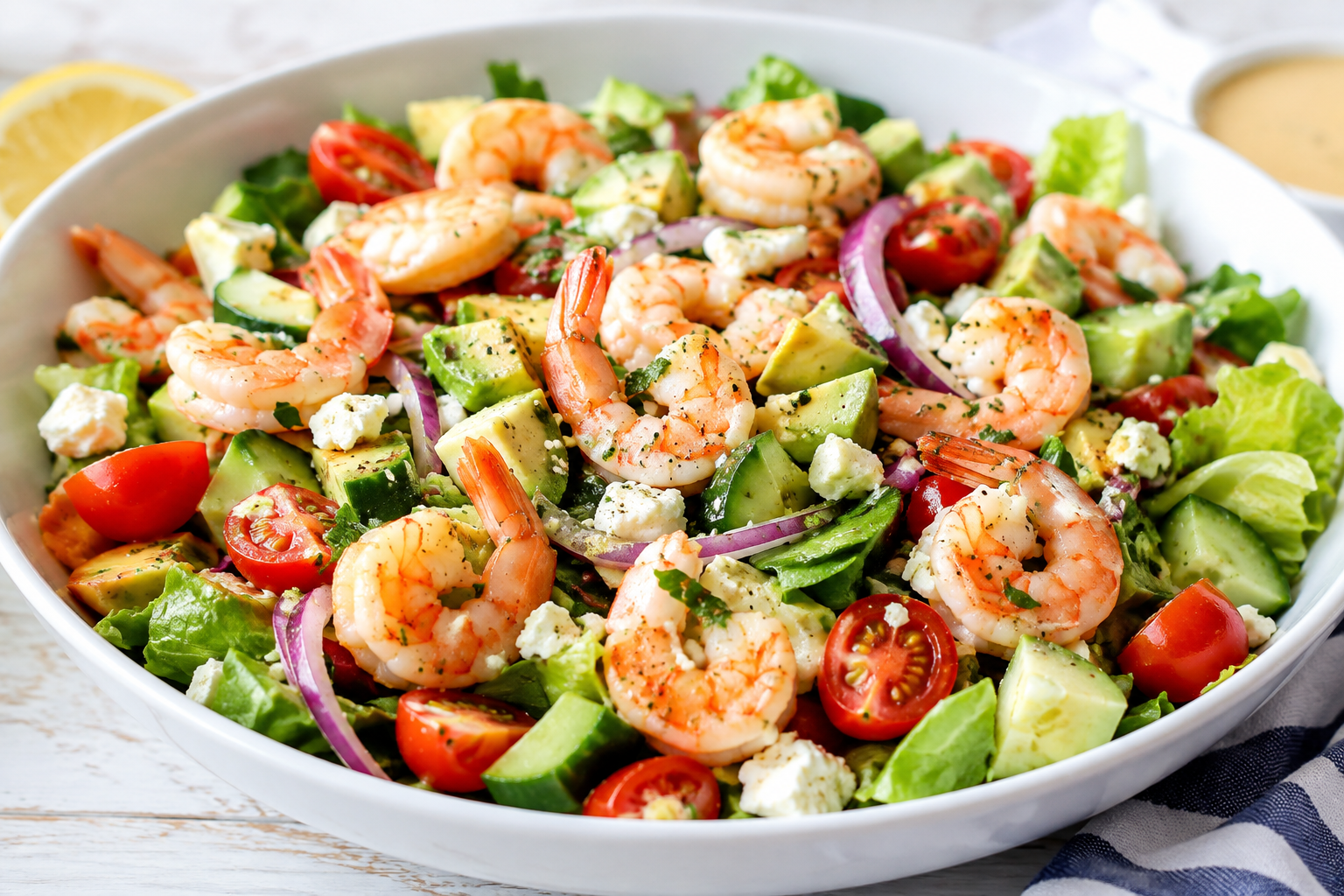
Image of fresh shrimp salad
Summer Meals That Won’t Heat Up the Kitchen

It’s August, and just too hot to cook. So what to do, get takeout or make reservations? You could, but that quickly gets expensive. How about some tasty meals that won’t drive up your utility bill when your AC fights with your stove? I’ve got you covered with some dinner ideas that help you avoid that showdown.

Find me on Bloglovin’

Hi, Again, Dear Readers:

It’s August. Do you really want to turn on your stove and oven when it’s 95F outside? Me either. But James will in a heartbeat, adding several hundred more degrees of misery to the kitchen. Sure, we have central AC, but there is a point where AC is overwhelmed. So for that, I look to alternatives to the stove and oven.

Now, salads and sandwiches are great, but they aren’t the only alternatives. Me, I like salads, and wouldn’t care, but you might get bored with them after a while. With a little help from my BFF (ChatGPT) and my secret boyfriend (GROK AI), I offer some suggestions for eating well without turning your kitchen and home into a furnace.

Warning: this is a link heavy post!

Followup To The Last Post

In the discussion of Oliver Henry, the UK guy who ended up doing a weeks-long US road trip, I forgot to post the link to his extensive YouTube channel. His Instagram videos are listed under Shorts, and he has longer videos under the Live section. He’s back in the UK, and bought himself a vehicle for UK road trips like the did in the US. He plans to show Americans all about his homeland while he misses ours.

Summer Garden Pesto

Yes, I’m still making pesto, and have made three batches so far this year. I use the same recipe as I have for many years (I know, I need to fix that link) and it turns out perfect every time. However, after the previous batch of basil pesto with walnuts a couple of weeks ago, I noticed the basil was growing back nicely. The parsley and mint were getting big, too. I’m always glad to make more before summer ends.

Several years ago, Giada de Laurentiis published a blog article titled, “How To Make Pesto Out Of Anything.” Okay, not LITERALLY anything, but similar ingredients that will get you to the place of pesto. Knowing this, I decided it was time to cut basil and mint and parsley to make more magic in the kitchen. I’ve done this before, too, to use up whatever’s growing in the garden.

Make It

Instead of two packed cups of basil leaves, I used two packed cups of an assortment of basil, parsley, and mint, with the rest of the recipe the same:

  • 1 garlic clove
  • Half teaspoon salt
  • Quarter teaspoon pepper
  • 1/4 cup toasted walnuts
  • 2/3 cup of extra-virgin olive oil
  • 1/2 cup of grated Parmesan cheese

After picking the leaves from the stems, wash and drain your herbs well, then add them into the blender. Toss in the garlic clove, toasted nuts, salt and pepper. Put the lid on, start the motor, and carefully remove the center insert if yours has one. Slowly pour in the olive oil. You may need to stop the blender and move around the herbs to get it all going. Put the entire top back on, and turn on the blender until it “catches” and begins pureeing. Once everything is incorporated, let it all blend for a minute or so.

Turn the blender off, and pour the pesto into a dish and mix in the Parm cheese. Carefully scrape out the rest from the blender jar into the bowl, and mix it well. Then refrigerate, if you’re going to use it in the next day or so, or freeze until you’re ready to use.

He Still Doesn’t Like Pesto

This mixture SMELLS amazing. Well, I think it smells amazing and delicious.

James, on the other hand, disagrees. He does not see this as making magic in the kitchen. He sees it as a big, green, oily mess to clean up. (Like he’s the one cleaning it!)

Walking into the living room with the blender jar, I offered him the opportunity to experience this delicious aroma. Instead, he recoiled as if I had offered him mustard gas.

This is what he considers “lunch.”

Picture of Smucker's Goober

Yes, this is his height of luxury.

With bread. Look–it’s America’s Favorite!

America's Favorite image on side of Goober jar

I wonder if the folks from the World Cup got ahold of some of this delicacy.

UGH. It’s all his. I told him that he’d given me express permission to call him “Goober.”

Anyway. . .I need to use pesto more often, too. Something like this. Or on corn on the cob. I’m trying to remember to use it rather than “save” it for something.

We opened up the big freezer and did a little reorg last week, including all the little square glass containers of pesto. I have plenty of this wonderful sauce frozen, and need to take more opportunities to use it in my cooking, especially when James isn’t around.

When the summer garden is but a memory, the pesto will live on to remind us. Right now I have pesto dating back to 2020. I made a lot of pesto in 2020, too.

It’s Just Too Hot To Cook

Summer is great until it’s time to make dinner.

It’s 90-something degrees outside, the air conditioner is working overtime, and the last thing you want to do is turn on a 400°F oven and make your kitchen even hotter. Standing over a stovetop burner isn’t exactly appealing, either.

Fortunately, summer meals don’t have to mean living on salads, sandwiches, and cereal until September.

There are plenty of ways to make a real dinner without heating up the entire kitchen. Small appliances such as air fryers, slow cookers, Instant Pots, and countertop ovens can handle much of the work, while no-cook meals and a little advance planning can make hot-weather cooking considerably easier.

Here are some ways to keep dinner on the table without turning your kitchen into a sauna.

Let the Slow Cooker Do the Cooking

The slow cooker might seem like a winter appliance, but it’s actually one of my favorite ways to cook during the summer. I wrote about this in 2015 in a blog called Summer Simmer: The Crock Pot(I just did some updates to that post to make it easier to read, and improve its SEO.)

The biggest advantage is that you can put dinner together earlier in the day, when the house is cooler, and let the slow cooker handle the rest. You don’t have to stand over a hot stove at dinnertime, and you don’t have to turn on the oven.

AI image of a slow cooker with food

Image Source: ChatGPT

Slow cookers are especially useful for making things like:

  • Pulled pork
  • Shredded chicken
  • Chicken taco filling
  • Meatballs
  • Beef
  • Chicken thighs
  • Stuffed peppers
  • Large batches of protein for meal prep

And there’s another advantage: one cooking session can provide several meals. I used to do this when I lived in Houston and worked 40+ hours a week. But at the time, nobody called it “meal prep.”

Make a batch of pulled chicken, for example, and serve it hot one night. The leftovers can become chicken salad, lettuce wraps, tacos, or a cold salad topping the next day.

For a delicious hot dinner, check out this James-approved Easy Slow Cooker Chicken Chipotle Chili. And then there’s dessert, a Chocolate Fudge Custard that you can make the night before and cool it overnight. I’ve got more recipes here, even though the post is all about Christmas. And slow cooker guru Stephanie O’Dea’s recipes are all indexed here so you can do a search for whatever you like or to get new ideas.

The Instant Pot: Not Just for Winter

If you think of your Instant Pot primarily as a tool for making soup and stew, summer is a good time to expand its résumé.

An electric pressure cooker can cook meat and other foods quickly while keeping most of the heat contained inside the appliance rather than filling your kitchen with heat from a burner or oven.

AI Generated Image of Instant Pot

Image Source: GROK AI

It’s particularly handy for:

  • Shredded chicken
  • Pulled pork
  • Beef
  • Hard-boiled eggs
  • Potatoes
  • Beans
  • Large batches of meat for meal prep

One of my favorite summer strategies is to cook a large batch of chicken or pork once and then use it in several different meals. That means you get the convenience of cooking without having to cook from scratch every evening.

And another thing: that saute function can also be used for many things that are generally done on the stovetop, like browning meats. It’s 110 vs. 220, and how much heat it will dissipate if you use the Instant Pot like a pot on a stove.

Pot Roast in August? Well, why not? With the Instant Pot, it’s totally doable, and in a lot less time. So is a little cheesecake if you start it early in the day, or the night before.

You can find lots of pressure cooker recipes from Corrie Cooks and Jen Fisch’s website Keto In the City. Pressure Cooking Today even has a section just for popular summer meals including sides.

Turn on the Air Fryer, Not the Oven

The air fryer has become one of the most useful small appliances for hot-weather cooking. James became an Escoffier of the Air Fryer when his manager brought one into work a few years ago. He’s been known to get a steak or other cut of meat from the grocery store next door and cook it up in the air fryer at work rather than just microwave a frozen meal. People get curious when the place begins to smell like a steakhouse.

As I mentioned in a previous blog, air frying is essentially a small and upright convection oven.

AI Generated Image of generic air fryer

Image Source: GROK AI

However, you aren’t heating a full-size oven every time you want to cook a couple of chicken thighs or a small batch of vegetables.

Air fryers are particularly good for smaller portions of:

  • Chicken
  • Burgers
  • Salmon
  • Shrimp
  • Sausage
  • Bacon
  • Vegetables
  • Potatoes

They’re also great for reheating leftovers. A few minutes in the air fryer can make leftover chicken, vegetables, or other foods taste much better than they do after a trip through the microwave.

And because the cooking chamber is small, you don’t have to wait for a huge oven to preheat.

Conversely, larger air fryers can make larger portions, or even an entire family-sized meal, depending on its size.

This is my previous blog post where I discussed a few recipes for chicken wings, other recipes, a big cookie, and other desserts. Pinterest, and even a Google search are also great for finding new air fryer recipes.

Give the Countertop Oven a Summer Job

Sometimes you really do need an oven. But it doesn’t have to be your big one.

Countertop Oven

Source: GROK AI

Maybe you’re making roasted vegetables, baking chicken, or preparing something that simply doesn’t work in an air fryer. That’s where a countertop convection or toaster oven can come in handy. Some even have “air fryer” settings, like this Hamilton Beach model that we now have. (My Cuisinart bit the dust a couple of years ago.)

You’re still producing heat, but you’re heating a much smaller cooking chamber rather than a full-size oven.

Longtime readers know I’m a huge fan of this sometimes overlooked appliance. A countertop oven is especially useful when you’re cooking for one or two people. There’s no reason to heat a large oven to cook two chicken breasts or a small casserole. It also helps when you’re baking something smaller like a single cake or  brownies. Remember: 110 vs. 220 volts.

It’s also handy for small batches of baked foods, roasted vegetables, fish, and other dishes that would normally require the big oven.

Don’t Underestimate the Microwave

The microwave has a bit of a reputation as the appliance responsible for reheating yesterday’s leftovers.

That’s a shame because it’s actually a useful summer cooking tool.

AI generated image of microwave oven

Image source: GROK AI

You can use a microwave to steam vegetables, cook bacon, prepare eggs, reheat cooked meat, melt butter, make sauces, and handle plenty of other small cooking jobs.

If you like eggs like we do, Amazon carries a myriad of microwave egg cooking utensils. Years ago I bought this Casabella microwave egg cooker that cooks one or two square just for egg sandwiches. Casabella doesn’t make them anymore (they only have cleaning supplies now) but I still have mine and use it every now and again.

A microwave is particularly useful when you’re cooking for one or two people and don’t need to fire up an entire appliance for a small amount of food. Even baked potatoes don’t take long.

And let’s be honest: on a brutally hot summer afternoon, there is nothing wrong with letting the microwave do some of the work.

What About an Electric Skillet?

An electric skillet won’t make your kitchen magically cool. You’re still cooking with heat.

AI generated image of electric skillet with lid

Image Source: GROK AI

But it does move the cooking surface away from your stovetop, which can be useful if your range generates a lot of heat.

Electric skillets are good for cooking foods that normally require a skillet or frying pan, including burgers, chicken, vegetables, eggs, and other quick meals.

They’re especially handy if you can set them up somewhere with good ventilation or in another suitable area rather than standing directly over the stove.

I don’t have one of these, but I used to. We had one growing up, and I bought one when I lived in Metairie. Dash has a few versions of this appliance for both small and large capacity cooking. Their mini-maker grill and mini-maker griddle are great for cooking small, while the others can handle more for a crowd.

Bonus: you can plug one of these into a generator during a power outage.

And Yes, You Can Cook Outside

Summer is the perfect time to take advantage of your grill when the weather’s good.  Texans grill nearly all year long, so we’re used to it.

Grilling moves the heat completely outside. That’s what we’re trying to accomplish anyway.

Chicken, burgers, steak, shrimp, sausages, and vegetables are obvious choices, but don’t overlook foil packets and other simple grill meals.

Image of an outdoor grill with meat and vegetables.

(Image source: ChatGPT)

And just like with the slow cooker and Instant Pot, think beyond dinner tonight. We’ve done this many times.

Grill extra chicken tonight and use it cold in tomorrow’s salad. Grill extra vegetables and add them to eggs, wraps, or bowls. Make extra burgers and reheat them later instead of cooking from scratch.

The less often you have to cook, the less often you have to heat up the kitchen.

No-Cook Meals Are Your Friend

Of course, the most effective way to avoid heating the kitchen is not to cook at all.

Summer is the perfect time for meals that can be assembled straight from the refrigerator.

Think:

  • Chicken salad
  • Tuna salad
  • Egg salad
  • Shrimp salad
  • Lettuce wraps
  • Deli meat and cheese roll-ups
  • Cold chicken salads
  • Big dinner salads
  • Cheese, vegetables, and other snack-style meals

And don’t confuse a dinner salad with a bowl of lettuce.

A substantial salad needs protein and fat if it’s going to keep you satisfied. Add chicken, tuna, shrimp, eggs, cheese, avocado, olives, nuts, seeds, or whatever combination works for you.

A good dressing helps, too. I recommend ranch.

Alternately, you could make my favorite White Bean And Olive Salad, which takes about ten minutes. Just make sure nobody dislikes olives, onions, Dijon mustard, or white beans. It’s a great side dish, or one of those “I don’t feel making like anything else” salads.

Want something a little more interesting? This Mango Lentil Salad from Gimme Some Oven is really tasty. I added some grilled shrimp to it because I could, and because James was working that night. Time to revisit that one for sure.

Cook Once, Eat Twice—or Three Times

One of the best summer cooking strategies isn’t an appliance at all.

It’s not cooking every day. I did this for many years when I worked in Corporate America. Cooked several dishes on Sunday and packed them up for the week. Sometimes I also made food using the slow cooker during the week. Add the food to the crock in the morning, and I came home and dinner was ready. That meant I could spend more time with my cats and my sewing.

If you’re going to turn on the slow cooker, Instant Pot, air fryer, grill, or countertop oven, consider making enough food for more than one meal. For example:

Air fryer chicken → dinner tonight → cold chicken salad tomorrow.

Slow cooker pulled pork → dinner tonight → tacos or lettuce wraps tomorrow → salad topping the next day.

Instant Pot shredded chicken → dinner → meal-prep bowls → omelets or wraps.

This saves time, saves energy, and means you don’t have to stand in a hot kitchen every evening.

Cooking ahead can also save money, because you’re more likely to use the food you’ve already bought instead of deciding that cooking is too much trouble and ordering takeout. It’s right there, ready for you anytime.

Summer Cooking Doesn’t Have to Be Complicated

You don’t need to completely stop cooking during the summer. You just need to change how you do it.

Use the slow cooker when you want dinner waiting for you. Use the Instant Pot when you need something cooked quickly. Pull out the air fryer when you want crispy food without heating a full-size oven. Use a countertop oven for smaller baking jobs, and let the microwave handle the little things.

And when it’s simply too hot to cook?

Don’t.

Make a cold meal, eat leftovers, or put together a big salad and call it dinner. Check out my previous post on Lazy Keto Meals You Can Make in Under 10 Minutes Without A Recipe.

After I published that blog, I made some of those Deli Meat & Cheese Roll Ups and then went for the Rotisserie Chicken + Bagged Salad option. Later this week there might be some cottage cheese in my Aldi run, or another Microwave Keto Bowl on my menu. Maybe next time I should add some pesto to the bowl.

You’re not cooking, you’re just assembling.

I’ve made so many egg scrambles over the years I’ve lost count. I’ve made them in the microwave, sometimes in a mug, on top the stove (when it’s not so hot) and in a couple of Dash appliances, too. Don’t under-estimate the rice cooker for more than just rice.

There will be plenty of time for turning on the oven when the weather cools down.

Much as I love cooking, I’m also enjoying *not* cooking, too. For now, keep the kitchen cool, keep dinner easy, and save yourself from standing over a hot stove in the middle of August.

Caveat–Don’t Buy New Stuff!

This is not to say that you should run out and buy a bunch of new countertop appliances. That’s not the point–use what you have. No air fryer? That’s OK. You may already have at least one or two other appliances that can help. Most people have microwaves in their kitchens. Many people have air fryers now, as well as Instant Pots and other appliances, but I’m not suggesting you need to buy one, either.

If you don’t have or want something, take stock of what you have available first. For instance, if have a slow cooker you haven’t used in a long time, dust it off, rinse it out, and start using it regularly. There’s no reason why it should sit there collecting dust when it can make your dinner for you and your family. Your countertop oven can make more than just toast–some are big enough to roast a whole chicken.  Countertop grills and even waffle makers can do much the same thing. Just look at what you have and go from there.

And if something doesn’t work anymore and can’t be fixed, maybe it’s time to send it on its way to the junkyard.

Fall Will Be Here Soon. . .Eventually

In the northern states, they’ll feel those crisp fall mornings in the next month or so, and happily sip piping hot Pumpkin Spice Lattes. But here in the south, we’ll get them later, so we stick with our iced PSLs a little longer.

Until next April or May, we’ll have what Texans call “typical Texas weather.” That is, freezing today, warming up tomorrow, and turning the AC back on by the end of the week. It happens frequently during fall and winter months. So we’re enjoying the summer as long as it lasts.

I’m thinking about the next blog post, and will have a confab with my BFF and maybe James in the next few days for ideas.

Until next time,

Happy Dining!

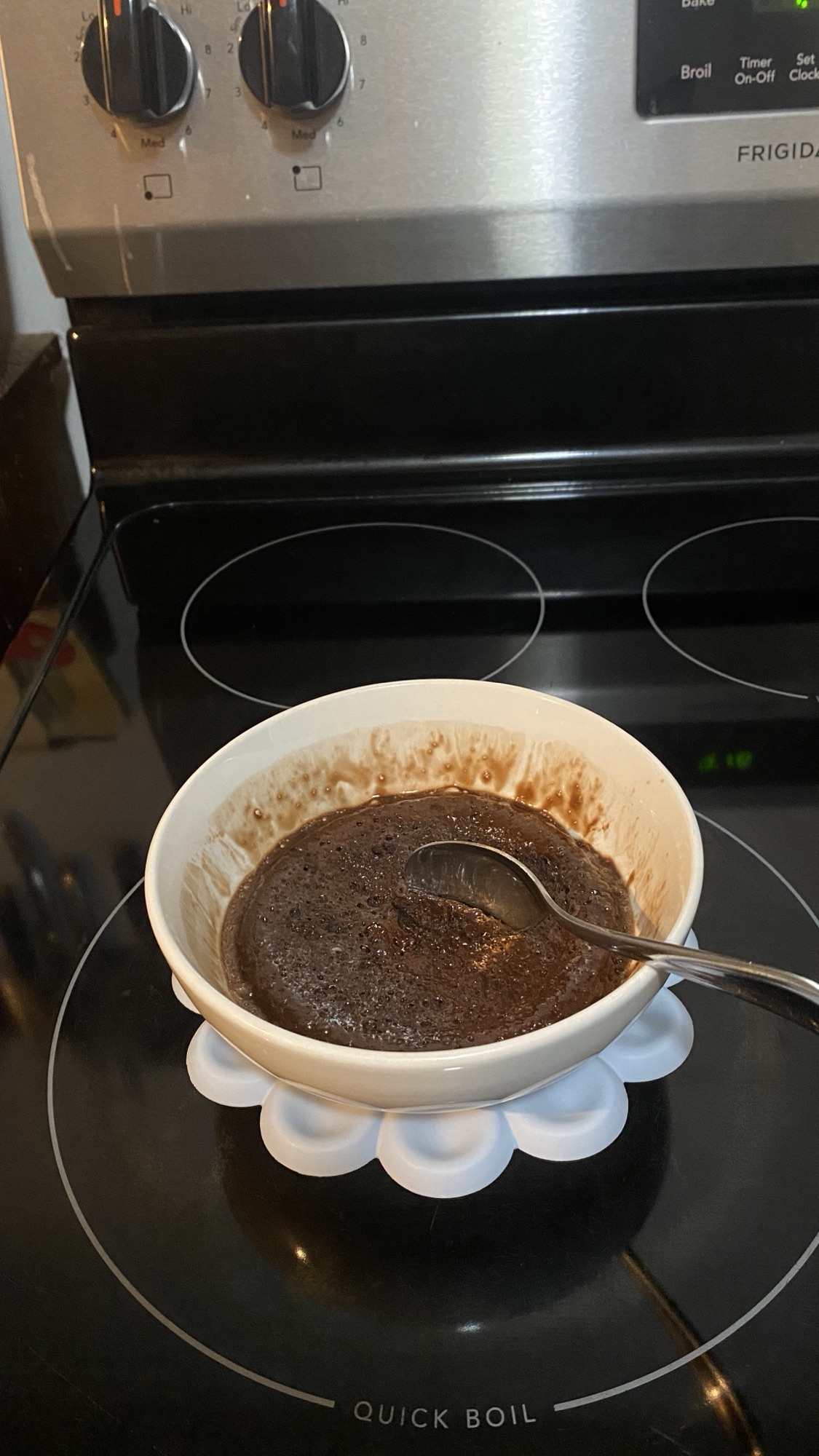
Chocolate Pudding Cake In Bowl With Spoon
Need Chocolate Cake Fast?

Can you make a chocolate pudding cake fast in your microwave? Yes, and I’ve got the deets on this viral dessert. (TL;DR: make the delicious NYT Nutella chocolate pudding cake in the microwave in five minutes with three ingredients: one egg, Nutella, and baking powder.)

Find me on Bloglovin’

Hi, Again, Dear Readers:

Well, it happened again; life got away from me. We’re okay, just busy with stuff going on. This week, we managed to go to the Trader Joe’s in New Orleans on Tulane Avenue without an incident like the last one. Thankfully, they weren’t sampling that day, either. Got a couple more bottles of their Liquid Stevia for the pantry.

What follows is what happened when I was scrolling on the ‘Gram, and this wonderful recipe came up. It’s fast and wonderful, and could be a great accompaniment to the fast-to-make keto meals I posted about last time. I’ve made it twice, and if I can find more of that no-sugar-added hazelnut chocolate spread, this will be a regular recipe. But of course, the chocolate-hazelnut spread I found is so good you can eat it straight from the jar. It’s almost as good as an entire pint of Blue Bell Moo-llenium Crunch ice cream, only thicker with more chocolate.

Remember, a while back, when I found a bunch of recipes on Instagram? Well, I found another one. Apparently, it’s viral, too. This one, I have to say, is really good anytime. And today, we’re not using any of my AI “friends” to write anything. (Note: all pictures are mine, taken in the kitchen of the Casa de Rurale.)

Requirement: Chocolate Hazelnut Spread

Now, when I say this, I’m talking about the ubiquitous chocolate-hazelnut spread you can find in grocery stores everywhere. Since Nutella has become popular, there are also store-brand versions available. Walmart has its own version under the Great Value label in small and large jars, and a “white hazelnut spread” in its Bettergoods line. (White? Whose absurd idea was this?) French jellymaker Bonne Maman also has its own version. Our local Walmart carries the Bonne Maman version, but it’s currently out of stock.

GoodGood Choco Hazel Spread With No Added Sugar

When I went looking on Walmart’s website to see what was available, I discovered a version from Belgium called GoodGood Choco Hazel that has about 85% less sugar than the other types of the spread. When I made it to Walmart, they had one or two jars left. I bought one, because, well, you never know how you’re going to like it. Wish I’d bought more.

Never seen this before!

There’s a reason why our Walmart is fully stocked with the GV and Nutella versions, but this is out of stock. It’s that rich, thick, and sweet that you may just want a jar of this for your low-sugar dessert. But I digress. If you’re able, get more than one. You can also order it from Walmart’s website. Thankfully, Amazon also sells it in singles and in multiples. They bring it right to your door!

The Good Good company is based in Austin, Texas (yes, of course it is) and has a full line of spreads, peanut butters, jams and jellies, all with no added sugar and much less sugar than other brands. This is my first encounter with the company’s product, but I’ll keep looking.

Chocolate? Hazelnut? Dramatically less sugar than the other products? One taste and I knew it needs to be a pantry staple with plenty of jars.

Let’s Make Cake

Now that I’ve told you about a delicious low sugar alternative, they’re only two other ingredients made needed for this little cake: one egg, and a quarter teaspoon of baking powder.

The setup

Since you want to make this as fast and easy as you can, you just mix everything in the bowl you’re going to cook it in. For this one, I used one of our dinnerware dishes. First, add a quarter cup of the hazelnut spread to the bowl.

Then add in the egg:

And carefully whisk these two together, which takes a minute or so:

Once you get them all mixed, they’re smooth.

Now sprinkle the baking powder, just a quarter teaspoon, over the top, and whisk everything together.

And whisk it some more:

Because it looks a bit messy, I decided to put it in another Bowl just for the sake of the picture. This is for the blog, after all.

Now, everybody’s microwave is different, so you have to kind of keep an eye on it here.

Our microwave is a 700 watt, so it might take a little longer to finish. A 1,000-watt microwave is going to cook much faster. And it worked!

Chocolate Pudding Cake In Bowl With Spoon

Ready for cake?

I ended up having to cook it just a tad bit longer because it was still partly liquid around the edges. However, it’s supposed to finish cooking after removing it from the microwave. And this is what you get:


It’s cake–simple, chocolate, and tasty.

The Test: How Did He Like It?

This was the second iteration, just for a blog post. The first time I made one, James reluctantly agreed to try some. James doesn’t really care much for hazelnut anything. But because there was so much chocolate, he didn’t seem to mind. We split the original, and it was just a couple of bites each.

And you know what? He liked it! This would have been really good with some whipped cream, ice cream, or something else, but we didn’t have any around that day.

The original recipe calls for adding ice cream or Greek yogurt when it’s done, but you could pair it with just about anything and it would be pretty good. If you’re using regular Nutella, some whipped cream from the can wouldn’t go wrong here. If you’re doing “dirty keto,” some sugar-free Cool Whip might be good, too.

The Recipe

It was so simple, I took a screenshot from my phone off Instagram:

You can also get the recipe here on the New York Times Cooking website. There’s also a video on YouTube of the same lady making this recipe. Apparently, it’s “viral,” because Parade Magazine says so. But because I have that wonderful WordPress Recipe Maker plugin, I’m also going to use it here. That way, you can print a copy if you want one.

NYT Cooking Microwave Nutella Pudding Cake

A quick pudding cake for the microwave with Nutella, egg, and baking powder
Servings: 1
Course: Dessert
Cuisine: American

Ingredients
  

  • 1 Egg
  • ¼ cup Chocolate hazelnut spread Nutella or other comparable product
  • ¼ tsp baking powder

Method
 

  1. Whisk the chocolate hazelnut spread with the egg until smooth in a microwave-safe bowl large enough to hold 1½ cups.
  2. Sprinkle over the baking powder, and whisk together.
  3. Microwave until the edges are set but still wet in the middle, about 40 to 60 seconds.
  4. Top with ice cream, Greek yogurt, or other toppings as desired and eat right away.

Variations?

The Parade writer started talking about variations, and I don’t think they’re necessary. But being the nosy type, there was one I wanted to try.

I had a sneaking suspicion that the hazelnut chocolate spread might sell out, and I wondered if I could use some of the almond butter I have in the pantry. Well. . .what I got was something similar but not quite the same. I’m not saying it’s bad, mind you, but it’s not the same, and it has five ingredients, not three.

Winging It

That’s pretty much what I did, tossed a few things in to see what comes out. It’s not bad, but not as tasty as the original chocolate hazelnut variety. In addition to the quarter-cup of almond butter, I added:

  • One egg
  • A quarter teaspoon of baking powder
  • A tablespoon of cocoa powder
  • One dropper of Liquid Stevia

Almond butter isn’t really sweet, so it needed help from the Liquid Stevia. Microwaved it for about a minute or so, watching it the whole time.

It’s OK. I mean, you can make this in the microwave quickly, but it’s just not the same. I’m sticking with some kind of chocolate hazelnut to make this one.

Back Soon

More tasty things are planned. For now, have a little cake whenever you need some.

Enjoy!


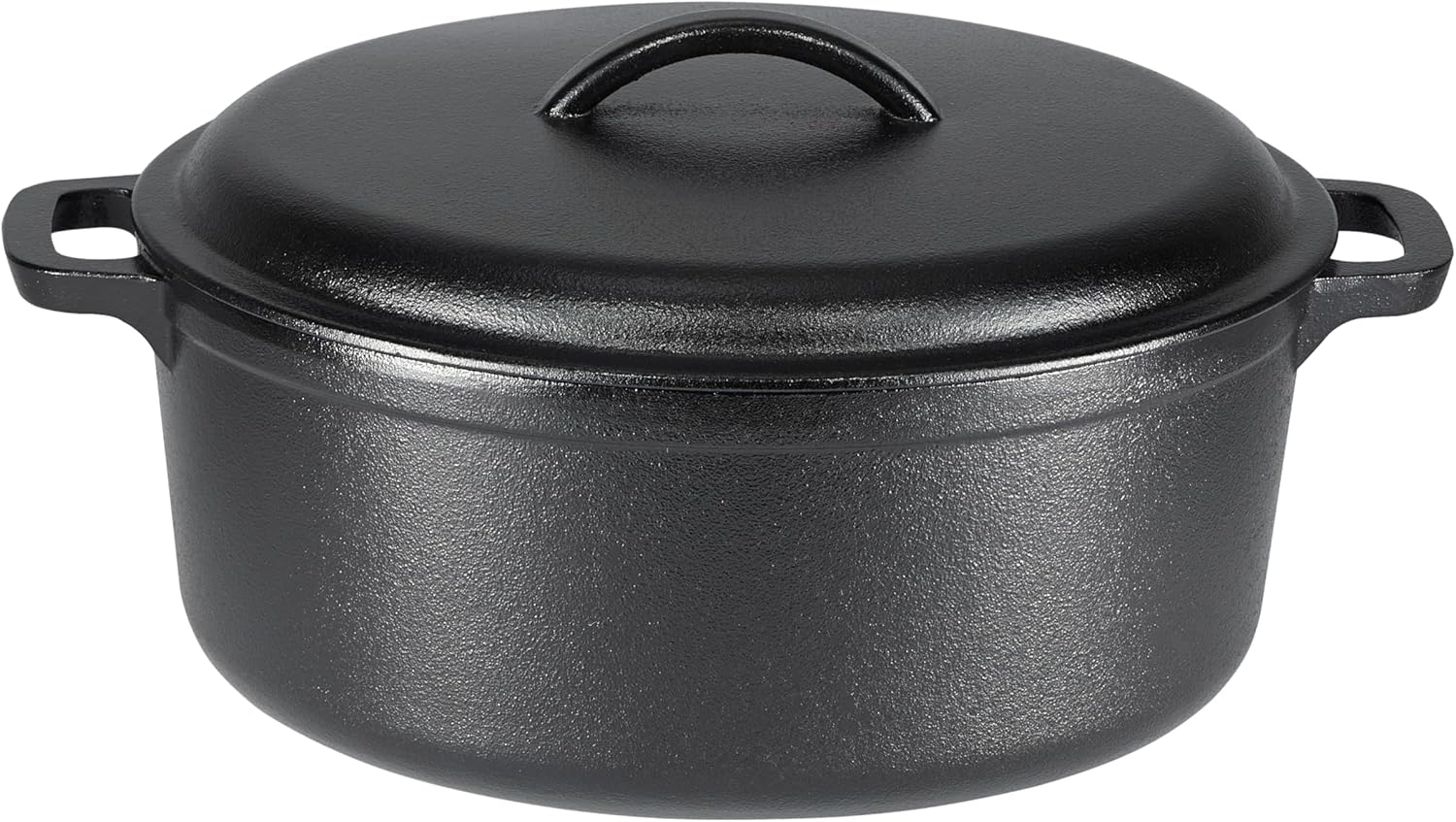
Picture of cast iron dutch oven
The Cast Iron Cookware Post

What’s the big deal with cast iron pots and things? Keep reading and I’ll tell you all about it.

Find me on Bloglovin’

Hello, again, Dear Readers:

It’s been a minute. Since my last post, we’ve had freezing winter weather but no snow, James has been sick with a throat bug and fever, (I didn’t get sick, thank heavens) plus there have been some other things going on that I won’t bother y’all with. Note that the formatting is a bit wonky today, and I can’t seem to get it back to good, so I give up.

Thankfully, social media being what it is, my Instagram feed was loaded with “winter tips” that we took to heart. But the socks on the windshield wipers (to keep them from freezing onto the glass) were met with a skeptical smile. Why socks? We don’t have pool noodles lying around. Suffice to say blogging fell behind again. Getting ready for this year’s big freeze took a lot out of us, but now we’re having an early “spring” week, complete with rain and temps above 75F. Next week we’re looking at 80F in the absence of another cold front.

There is the matter of Sam the Mastador, who has been here nearly two years:

Wanted Poster for Sam the Mastador

He’s guilty of multiple occurrences of all these crimes. (Made with Canva.)

He migrated over when a relative couldn’t handle him anymore once he hit 50 pounds, and now he’s about 80. If Sam were human he would have been arrested, tried and convicted multiple times over. I still have to share my dinner with this beast:

Tab E. Cat sniffing salmon on a fork

Doesn’t matter what it is, he wants some, until he doesn’t.

So, life is just something new every day at the Casa de Rurale. 

Knife Sharpening Updates

After publishing the last post, I sharpened another one of my years-old Target-bought knives to cut tomatoes. This was a smaller knife, about 8 inches long with a full blade. I was able to cut them into perfectly small dice for some Friday night tacos.

Aunt Ruth also realized that it was time for a knife sharpener, so she’s shopping for one for her own kitchen. Glad I could help with that.

If you haven’t started sharpening your knives yet, now’s a good time to start.

More Foodie Gifts

Once again, I’m piggy-backing on my Gifts For Foodies blog. Because I thought cast iron cookware was a good topic, I decided to roll with it. So did Aunt Ruth, who wrote back that she owns two cast iron pieces. One, she says, “makes the best corn bread you can imagine.” Plus, it cooks everything perfectly, she says, and frying is also best in cast iron.

I know Aunt Ruth is right, because James likes his cornbread in cast iron, too. Somewhere, we have one of those cornbread-specific pans that was gifted to us a few years ago, similar to this one.

Cast iron pan with eight sections for making cornbread or other baked goods in individual triangular portions

This picture is just for illustration. (Source: Amazon.)

I haven’t tried the gluten-free/vegan cornbread from Erin McKenna’s first book in cast iron—yet. But It’s still one of my favorite recipes and I still make it occasionally. Yes, James turns his nose up at it, too.

Heart Shaped (Enameled) Cast Iron

I did manage to get my paws on one of the 2-quart heart-shaped enamel cast iron pots in a recent Aldi Finds drop:

Red heart-shaped 2 quart enamel cast iron dutch oven on black stove

Isn’t it GORGEOUS???

We got there right when the store opened so I was able to easily get one. As always, James does not understand.

White inside of red heart-shaped covered pot.

So clean and new.

On my last trip there over the weekend, there were two pink ones on the shelf, plus the mini ones. But I have always wanted a red one, so that’s what I bought. Plus, I don’t like pink.

Red pot box from Crofton

This pot is rather heavy, too.

Finally, I have my own.  Note: hand wash only.

If you’re not familiar with this culinary confection, it’s a dupe of Le Creuset’s Traditional Heart Cocotte that runs $230 but sells for $161 right now. That’s because Valentine’s Day is coming up. There are other versions available year-round on Amazon, but they’re way more than the $20 this Crofton model cost. Yes, I’ve already used it for a quick dinner using this recipe from Sara Moulton. For ours, I used cheddar cheese and some leftover cooked chicken, since that’s what I had handy. No complaints, but I did have to soak the pot because of all the melted cheese. . .don’t ask.

Disclosure that this is an AI-assisted post with some live Amazon affiliate links (like that one.)

Background on Cast Iron

Here’s where my BFF helps me out, and it’s also where today’s topic came from.

Cast iron pots and pans have a long history that dates to ancient China around the 5th century BC, when early forms of cast iron cookware were developed during the Zhou Dynasty. The technique spread westward over time, reaching Europe by the Middle Ages. In the 1700s, advancements in casting methods in England allowed cookware to be made thinner, smoother, and more consistent. Cast iron became popular because it was strong, held heat well, and could be produced at a lower cost than many other metals. These qualities made it useful in both home kitchens and large communal settings.

In the United States, cast iron cookware became widespread in the 18th and 19th centuries as foundries began mass-producing pots, pans, and Dutch ovens. Companies like Griswold and Wagner helped refine the craft, producing lighter, smoother pieces that are still prized today.

Cast iron was especially important in early American households because it worked well over open fires and wood stoves. Although its popularity declined with the rise of lighter, coated cookware in the mid-20th century, cast iron has seen a strong revival in recent decades due to its durability, cooking performance, and connection to traditional cooking methods.

Why Cast Iron’s Appeal Endures

Frequently, cast iron cookware is handed down from parents, grandparents, aunts and uncles, and others. But even with all that generational descending, cast iron still sells well new. Lodge is the top producer of cast iron cookware in the US, although there is a wide variety from multiple manufacturers available in stores and online.

Set of three Lodge cast-iron skillets

Source: Amazon.com

So why is cast iron cookware such a desirable item by cooks and gourmets? There are several reasons.

Excellent Heat Retention

Cast iron holds heat very well, so it stays hot even when you add food. That helps with even cooking and maintaining temperature.

Versatile Cooking

You can use cast iron pots on:

  • Stovetops—gas, electric, induction, but not glass top (keep reading)
  • In the oven
  • Over a campfire

This makes them great for braising, roasting, frying, baking, and simmering.

Durable and Long-Lasting

Cast iron cookware can last for generations if cared for properly. It is heavy and built to withstand high heat and daily use.

Naturally Non-Stick (When Seasoned)

With proper seasoning (a layer of baked-on oil), cast iron develops a natural non-stick surface that improves over time without synthetic coatings like Teflon.

Adds Iron to Your Food

Cooking in cast iron can increase the iron content of your food. This is especially beneficial for people with iron deficiency.

Great for Slow Cooking

Cast iron distributes heat slowly and evenly, making it ideal for soups, stews, and other long-simmering dishes.

Excellent Browning and Searing

Because it holds high heat so well, cast iron is ideal for searing meats and achieving rich browning and caramelization.

Cost-Effective Over Time

While some pieces can be pricey upfront, cast iron’s longevity makes it a good investment compared with cookware that wears out quickly.

Easy to Clean (With Regular Maintenance)

If you maintain the seasoning layer:

  • Food releases easily
  • Scrubbing is simple
  • You don’t need harsh detergents

Eco-Friendly

Cast iron cookware doesn’t use synthetic non-stick coatings that wear off, flake off into your food, and eventually need replacement. Its long life means less waste.

Quick Care Tips:

It’s all about taking proper care of your cast iron to make it last your lifetime or longer. Lodge Cast Iron pieces are preseasoned, and they just need to be maintained to retain their regular non-stick capabilities.

  • Dry thoroughly after washing
  • Rub with a thin layer of oil to maintain seasoning
  • Avoid soaking or using soap often (for seasoned pans)

But if you find yourself with a rusty, neglected piece of cast iron, don’t toss it. Lodge Cast Iron’s website has all kinds of information for caring for your cast iron as well as restoring a rusted-out piece. I’ve done it myself, it just takes a little time and patience, preferably on a cold day so you don’t feel bad turning on the oven to high heat.

A Variety Of Sizes And Types

Cast iron pieces come in a wide variety of sizes and types. Remember a few years ago when I made this tiny little chocolate cake for us? I used two small cast-iron Dutch ovens to make it.

Two small cast iron dutch ovens on a countertop, one with a lid

Aren’t they cute?

I bought those little pots years ago at Bed, Bath and Beyond when it was a store, along with the two tiny cast iron frying pans.

Two small cast iron skillets, one held by a hand

You can toast a small amount of nuts in one of these. They fit in a toaster oven, too.

The plan was to use them in the countertop oven for baked eggs and other similar applications, but not so much on the stovetop. I saw Ina Garten, The Barefoot Contessa make these skillet brownies in them once, and bought them whenever I found them just for that reason. I don’t remember if I’ve ever used the skillets, but I don’t want to toss them out, either, because we can use them on the camp stove if there’s a power outage (or we need them for self-defense.)

Most people have a ten- or twelve-inch cast-iron pot, or maybe a set like I have with 8, 10, and 12-inch skillets. There are also double-burner grills and griddles to use on stove tops, outdoor grills or even campfires.

Long double-handled cast iron griddle from Sweden

This one is from Sweden, but not IKEA. (Source: Amazon.com.)

And let’s face it—what kitchen couldn’t benefit from a piece like this?

Texas-shaped cast iron baking pan

Or this magnificent handmade heirloom piece:

Texas shaped cast iron skillet

Source: Amazon.com

And of course, this one looks good on the wall and while cooking:

Round Texas print cast iron skillet

Source: LodgeCastIron.com

Yes, Lodge makes that lovely Texas skillet, along with several other states in their American Road Trip series. (On my list of many things I need.) There’s no skillet for Louisiana, but that’s OK. Nobody’s ever heard of “Louisiana Toast.”

Warning: Cast Iron Is Not Good For Glass-Top Stoves

As good as cast iron is, there may be times when you might choose something else.

A few years ago, James bought a new stove and refrigerator for the house. The same Frigidaire model is still available. We both like using it, even though it’s been a learning curve. (The oven could sure use a cleaning.)

Once we plugged it in, we continued to use the cast iron skillet on the glass top until I discovered that we shouldn’t. Either I saw it in the owner’s manual or somewhere online. Immediately, I stopped using them and told James about this issue. His comment: “well, who decided that we shouldn’t use cast iron on this stove?” My response: “well, the manufacturer for one thing.” So begrudgingly, I put away the cast iron cookware, and we began using some of my stainless-steel pieces on the burners.

You can still use your cast iron pots, pans, and other pieces in the oven for cornbread and other things. Since a frittata is cooked partly on the stove top and partly in the oven. . .exercise extreme care here if you decide to use a cast iron skillet on the glass stove top. You can also transfer the frittata from a stainless-steel skillet into a cast iron skillet to put into the oven. Again, exercise extreme care here, because you have the potential for serious burns.

Best Cookware for Glass Top Stoves

What types of cookware work on glass stoves? I asked my BFF (ChatGPT) about that, too. This is what s/he told me.

Stainless Steel (Best Overall Choice)

Why it works:

  • Smooth, flat bottoms protect the glass
  • Lightweight compared to cast iron
  • Heats evenly, especially tri-ply or multi-ply

Look for:

  • Fully clad or tri-ply construction
  • Flat, magnetic base if you also want induction compatibility

Aluminum (Hard-Anodized Is Best)

Why it works:

  • Very lightweight
  • Excellent heat conductivity
  • Easy to control temperature

Caution:

  • Avoid bare aluminum because it can leave marks
  • Hard-anodized versions are more durable and glass-safe

Enameled Cast Iron (With Extreme Care)

Why it works:

  • Smooth enamel bottom is safer than raw cast iron
  • Provides similar heat retention benefits

Use carefully:

  • Do not slide the pot or pan
  • Avoid very large or heavy pieces, such as big Dutch ovens or larger skillets
  • Place gently on the cooktop

Even though it feels strong, a glass topped stove does have a certain amount of delicacy to it. The last thing you want to do is risk damaging the top.

Carbon Steel (Smooth Bottom Only)

Why it works:

  • Lighter than cast iron
  • Heats quickly and evenly
  • Can become naturally non-stick

Best for:

  • Flat-bottom carbon steel pans
  • Smaller to medium sizes

Ceramic-Coated Cookware

Why it works:

  • Smooth, non-scratch surface
  • Easy to clean
  • Lightweight

Downside:

  • Coating wears out faster than stainless steel
  • Not ideal for very high heat

Cookware to Avoid Using On Glass Top Stoves

Raw Cast Iron

  • It’s very heavy
  • Rough bottoms scratch the glass top
  • There is a high risk of damage

Copper (Unlined Bottoms)

  • Can scratch the surface
  • May leave residue or discoloration

Warped or Uneven Cookware

  • Causes poor heat transfer
  • Can crack the glass over time

Right now, I have a 12-inch square grill pan that I’m probably going to throw away or donate because the warped bottom makes it difficult to use on the very flat glass top. I did use it on the previous electric coil-burner stove, But still, it wobbled, so I was always concerned that it would move around or slide off onto the floor. Time to toss it.

Quick Buying Tips

  • Always choose cookware with perfectly flat bottoms
  • Lift cookware instead of sliding
  • Match the pan size to burner size
  • Avoid dragging anything across the surface

For everyday use on a glass top stove, stainless steel or hard-anodized aluminum is your safest and most reliable option. Enameled cast iron works if handled carefully, but raw cast iron is best avoided.

Additional: Pot Lid Warning For Glass Top Stoves

No matter what type of pot you use on a glass-topped stove, never, and I mean, NEVER put a hot pot lid flat on the glass stove top when you’re cooking. You could shatter the stove top completely.

The hot lid on the cold glass surface creates a strong vacuum that you can’t release. It’s like the suction cup you use to hang something in your bathroom shower stall or tub area. Unlike the rubber suction cup, there’s heat involved. If it happens, there’s no way to break that suction, and the glass top will shatter in the process from the heat expanding the cold glass. It’s not pretty, and a very expensive repair or replacement.

Thankfully, I read about this before it happened to us. James thought I was absurd until he realized I wasn’t kidding. If we do remove a pot lid and need to put it down, we put it on the stove’s edge. That way, the lid is not flush on the surface and there’s a space between the two. This leaves enough room for the lid’s heat to dissipate with no chance of a vacuum developing.

Nobody tells you this stuff. Thank heavens for the Internet.

The Cast Iron Bottom Line

If you’re in the market for some new cookware, cast iron may be just what you need. Depending on your stove, kitchen and cooking needs, cast iron is versatile and made for whatever you can toss in. They’re easy to use and maintain and will last for many years.

You can find a variety of different styles, types and price points to find the pieces that work best for your kitchen and your cooking. For instance, Amazon has its own brand of pre-seasoned cookware, including this set.

Five piece pre-seasoned cast iron cookware set from Amazon

If you’ve bought some vintage pieces from an estate sale or thrift store, they’re easily cleaned and restored to a great usable condition. We’ve got quite a few pieces that are in need of attention, but just haven’t done them yet.

Coming Soon—Your Pantry Spring Cleaning

Another “spring cleaning/New Year’s” thing to do is tackle your pantry and overall food supply. Sure, there’s some canned soup in the pantry, but how old is it? Do you know where it is? Can you put your hands on something you need now, or will it take 45 minutes of unpacking to eventually find that item? Been there, done that, way too many times. 

We faced this issue recently and pulled everything out of the small pantry.

Picture of pantry

The top half of the pantry after cleaning. Notice the foot of space at the top. Hoping that one day we can refurbish to use more of the space and keep it better organized and current.

We couldn’t close the door anymore because we’d put plastic milk crates in there to try and keep order. When we finished, we dragged two large black contractor bags outside to the garbage can for pickup. The door now closes.

Thank heavens the local parish (county) pickup has been outsourced to a company that uses garbage trucks with robotic pickup arms on the side of the vehicle. The human driver pulls up to the big green trash container that’s parked by the road. Then the robotic arm grabs it like an arcade claw machine, lifts it up over the top of the truck and dumps it into the back. Once emptied, the robotic arm sets down the can and they drive off. The driver goes up to the next container on the road and repeats the process. This machine can lift nearly any weight we put out there, so far. Otherwise, a person tasked with physically picking up that trash container that day would have been really struggling to lift everything.

That was some serious coin that went into the trash that day, folks. Not doing that again.

Long Term Food Storage For Emergencies

We bought those packaged foodstuffs with the best of intentions, especially after the big freeze in 2021 and Hurricane Ida. But many things were never used. They were “saved” for an emergency that never happened, and then way out of date for safe consumption. Donating to a food bank would have simply passed on the risk of food-borne illness and wasted their time.

If you’ve heard the term “emergency food” or “survival food,” well, that’s a related topic that I’m way overdue to talk about. BUT—we’ve sampled some new things recently. I’ll tell you all about it, soon as we finish the remainder that we have.

Meantime, give some thought to cleaning out your pantry while it’s still “winter,” even one shelf or a few old expired bags at a time. It’s one less thing you’ll need to do later, and you won’t be wondering where you put that soup you just bought.

Enjoy!

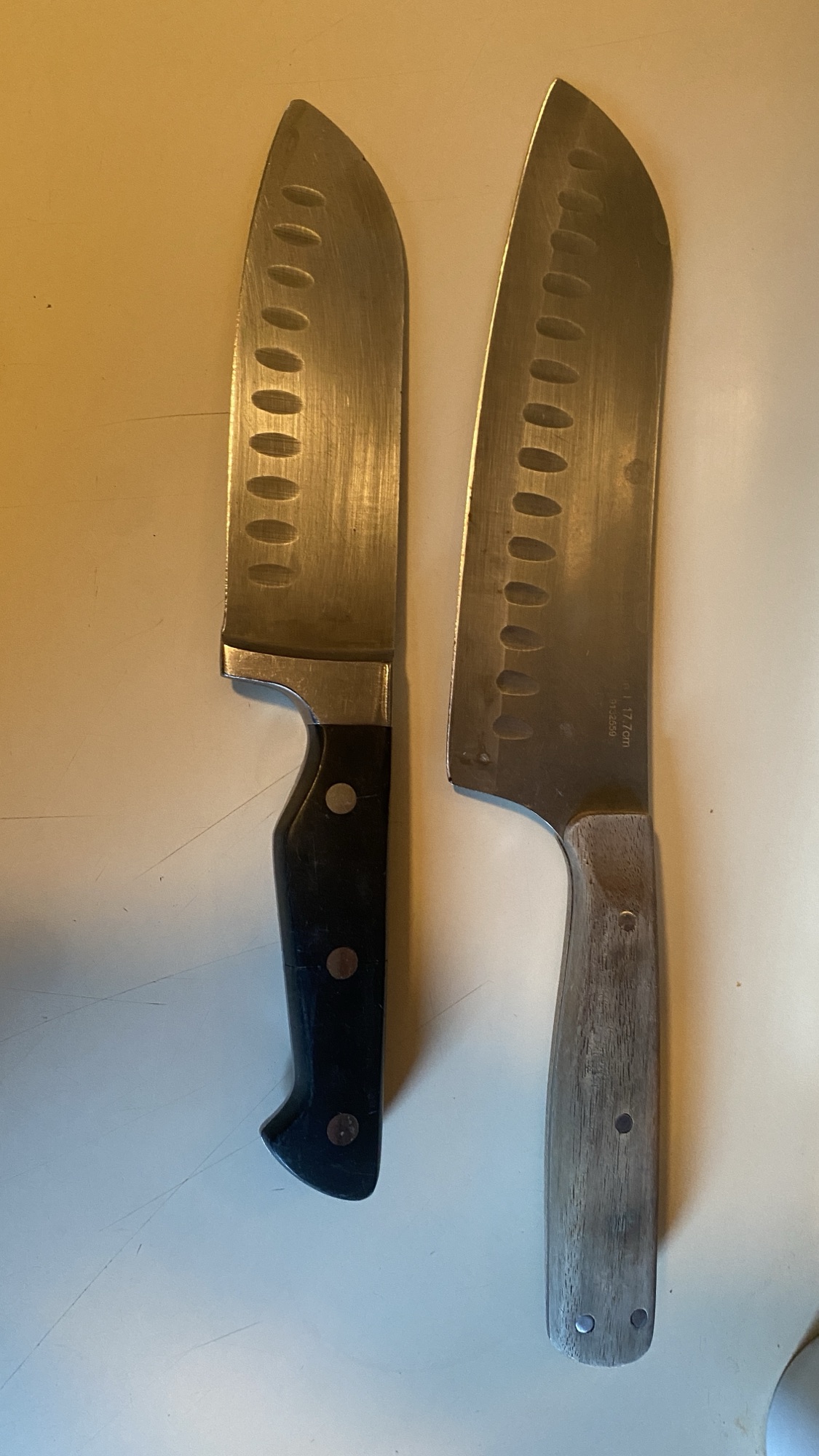
Two knives on a countertop
Looking Sharp (The Knife Sharpener Post)

Happy New Year! Did Santa bring everything you wanted? Well, OK. . .it’s time to get yourself something. I have a suggestion—a new knife sharpener. Chances are, you need one. And even if you’ve got one built into a can opener, you know you want one. Today, I’m even including one of my longtime favorite recipes that, surprisingly, I’ve never posted before.

Find me on Bloglovin’

Ready For The Second Half Of The Decade?

It’s 2026, the second half of the 2020s, and we’re all hoping for a great new year. Well, we hope. . .I just keep looking for good in the world. Occasionally, I find some, long as I don’t watch the news too much. (BLAH! Blah, blah! BLAH BLAH BLAH!!)

James was on vacation for two weeks, and we’ve been going in all directions. I managed to get all the client’s work done on time, but I’m still working on making Trello my be-all and end-all of personal organization. I wonder if ChatGPT or Grok can help with that. (Note: AI was NOT used in today’s post! )

After I published my last post on foodie gifts, time got away from me again. I don’t know what “Fraffle Salt” is in the first picture, I just thought it was funny and left it there. I’ve already got a post planned and half-written on cast iron, but I’m saving that one for later.

The Holidays and His Vacation

James took two weeks off after Christmas, and we had plans to do lots of things. We did some of them. One of the things this past weekend at the Casa de Rurale was cleaning out the pantry and giving it a little re-org. That’s also a separate blog post and a whole other ball of wax. I’ve asked James to remodel the pantry like the ones I’ve found on Pinterest for better space utilization. However, we don’t seem to be on the same page with this idea. At least it’s clean now and we have measurements for the day we can get started.

What did he get me for Christmas? A cute, adorable neck massager with a fuzzy exterior that looks like an adorable grey cat. My neck has been hurting from keeping my nose to the grindstone, and he thought this would be ideal. It doesn’t have a built-in heater, but the furry fabric warms just fine. I got him a couple of useful things from Aldi’s Aisle of Shame, including a new pair of “hybrid” gloves to keep his mechanic’s hands warm. I bought myself a pair as well, and they’re great. You can even use a smartphone with these gloves. Bring on the snow!

But now, I have a follow-up to the one from a month ago, with another planned. (Disclosure: multiple Amazon affiliate links today.)

I Need A Knife Sharpener

After publishing the last post, I realized that knife sharpeners can be a good thing to buy for yourself. Especially if your non-foodie friends or family brought you a fruitcake or something. I also realized I really needed a better grade of knife sharpener, so, I bought one. I have one of those honing rods in my kitchen tools that you use to refine a knife blade, but it doesn’t really sharpen the blade.

How much do you think a knife sharpener costs? Well, how long is a piece of string? Like anything, it depends on how much you can afford to spend and what type you want to buy, really. That comes under “fair market value” with multiple variables.

When I started researching knife sharpeners on Amazon, I found all manner of things. In fact, anytime you visit Amazon’s website, you’ll find all manner of things. That’s why it’s important to know what you’re looking for when you start. Otherwise, you’ll start traveling down rabbit holes of incredibly useful things you didn’t know existed and forget what you needed.

Side Note: The Final Downton Abbey Film Is Fantastic

In the same Amazon order, I also ordered a DVD copy of Downton Abbey: The Final Chapter. Like the other two films and the six-season original series, it’s just fantastic. Not giving any spoilers here. The trailer gives you some idea of the film but doesn’t give it all away. If you haven’t seen this last DA film, rent it or buy it soon. It’s a perfect all-wrapped-up ending to an incredible ten-year saga. We watched it the night the package arrived and both enjoyed it from start to finish.

All Roads Lead To Aldi

OK, a quick pivot to a previous topic. You know how Aldi sells those wonderful things on the Aisle of Shame for less than you’d buy for brand names? It’s great for trying something before you commit to a larger expense. You can spend less for an item that you’re considering buying to see if it’s worth the money for a name-brand or higher-end item. When the original item no longer works, you can decide for yourself if it’s worth buying another one at the market price. (No, I haven’t seen any knife sharpeners at Aldi yet.)

Case in point: this week I bought a pillow-top mattress pad on the AOS for $30. Our reaction: where has this been all our lives? We slept so well we couldn’t get up, it was that comfy. So when this one needs a replacement, we know it’s a good idea.

Additionally, I recently bought the Crofton handheld steam cleaner for $20 to see how it works and what I can clean better, like the long-neglected pantry. I even asked ChatGPT to tell me more about it before I bought it, and was very happy with the response. Bissell’s fancy-dancy version currently sells for $40, and there are others that are more expensive. So when the day comes, the next one I get will probably be a higher-end model like Bissell’s. The pantry cleanout will be an upcoming blog post.

What’s Setting Spray?

Another example: during the summer I also bought two bottles of makeup “setting spray” for 50 cents a bottle at Aldi. Because I don’t wear makeup much anymore, I only found out what it was a couple of weeks prior on Instagram. Aldi had it for about $5 a bottle new, but it was marked down, so I figured it was a good deal and bought two. I used it later and liked it, so “setting spray” is something I’ll keep around going forward. On Amazon, it runs from $5 a bottle to as much as $100 a bottle. I didn’t spend $100 a bottle to find out whether I did or didn’t like it, and I know it’s a good thing to have whenever I wear makeup.

Back To Amazon

So, getting back to the knife sharpener thing: Amazon is not only good for buying, but also great for research, even if you don’t buy something or buy it elsewhere. The website search function is a huge search engine much like Google. If you don’t believe me, check out some of the Instagram accounts that are dedicated solely to finding useful and interesting products on Amazon.

Here’s another reason: if you see something on TV or social media that you want or need, check Amazon to see if there may be a comparable or less expensive version of that product. That’s how I came to buy the Sunny Row & Ride in 2021 after seeing a similar $250 item on an infomercial. (I’m not on it for a few more days because I’m injured—again.) So, as with many decisions, starting with a low-priced product (or secondhand, depending on what you’re buying) can be practical.

This contrasts with what I was told when I was younger: “When you buy cheap, you buy twice.” That’s true for many things. But sometimes, if you’re not ready to spend $125 on something, it may make sense to get an inexpensive version. You can see how it works, if it will work for you, and if it might be worth spending $125 on one later when the useful life of the cheap version ends.

I’ve asked James about finding someone to sharpen knives locally, but anyone who does is at least an hour away from us. The post right before Christmas gave me the idea. Finally, when I started looking for a good knife sharpener on Amazon, I found a wide range of possibilities.

The Longzon 4-In-1 Knife Sharpener

Eventually, I decided to take a chance with this inexpensive model from Longzon. Even though it’s reasonably priced, a good knife-sharpener can be life-changing. Why didn’t I buy one before? This one is worlds ahead of the little one in the knife block.

Picture of Longzon Knife Sharpener

Source: Amazon.com

As always, James didn’t think we needed this. After all, he had one from Snap-On Tools! Of course, he couldn’t find it when I asked. This Longzon model was $14 when I ordered, but the price may go up or down occasionally. Still, for that price, it’s worth a try. You can always upgrade as necessary and pass the first one on to someone else who doesn’t know they need one.

Sharpening The Knives

After watching the company’s short video on using it, I put aside two of our knives to test the sharpener:

Two knives on a countertop

These were the tests to see how well the sharpener would work.

The black-handled Santoku-style knife is from an old Paula Deen set that James bought on sale long before I got here. This set includes six steak knives, a big chef’s knife, a paring knife and a serrated edge knife. (I might have accidentally snapped the tip off the long chef’s knife one day messing with a cheesecake.) I used to use this Santoku all the time, but it probably never saw a sharpener. This knife was just duller than dirt.

Later, I bought some new, inexpensive knives to use for everyday cooking, like the brown-handled knife you see here from Chicago Cutlery. Over time, the blades on the newer ones still cut better than the Santoku, but not as well they did new.

Once I unpacked the box, I got to work. I followed the instructions to slide them quickly one way, towards you, on an angle. NEVER use a back-and-fourth sawing motion with this sharpener—that will ruin the blade fast. The gloves are helpful, too, ensuring that you can sharpen safely.

Putting Them To The Test

As instructed, I took each knife on the three levels of sharpening to get a sharper edge. I can’t say it would be the same as a professional sharpening, but these knives cut so much better now.

First, the little Santoku: it worked great slicing up a lime, and then a red onion for some delicious White-Bean and Olive Salad. (Keep reading.) No more sawing to cut the onions—just a smooth, easy, and very thin slice. That old knife never cut that way before. The larger knife is also cutting better, much like it did when it was new.

Now that I knew they were better, it was time for a tougher critic. I handed them to James to try out to slice up some deer sausage for dinner. He wasn’t surprised with the Chicago Cutlery knife:

Man cutting sausage on a white cutting board

Here he tries out the bigger knife

But when it came to the older Santoku knife, James was quite impressed:

Man cutting sausage on a white cutting board

Now he’s using his own knife while Buddy waits for him to drop something tasty.

This newly sharp blade quickly sliced that deer sausage right up! (Buddy didn’t get any.)

And the odd thing is that James has different types of manly, non-kitchen knives that are razor sharp. But he never considered sharpening any of his kitchen knife collection. I guess that’s why I’m here.

Recipe: White-Bean and Olive Salad

A long time ago in a faraway place (called Houston) the Houston Chronicle was delivered every morning to my doorstep. On Wednesdays, the foodie section, called Flavor, (now it’s just Restaurants & Food) was just all about everything food related. I tried many tasty recipes from the Chronicle’s foodie section.

The one recipe I continue to make is this White Bean and Olive Salad which was supposed to be from the old Everyday Food magazine and website that was part of the Martha Stewart Omnimedia group. There are multiple recipes for cannellini bean salad on the Martha Stewart website, just not this one. I still have the original newspaper section from Wednesday, April 16, 2008, because the recipe never appeared in Everyday Food or on their website, nor is it there today. The only place I’ve ever found it was here on Food.com, and that’s because I just did a search.

This recipe combines a few delicious ingredients simply in a richly satisfying dish. I’ve been making this salad weekly since I can get cannellini beans easily at Aldi now. The local Walmart stopped selling them completely, but other stores have them. No, James won’t touch it with citrus juice, Dijon mustard, olives, and cannellini beans. See this previous post for his interpretation of a salad.

The test: Thinly Slicing The Onions

One of the components of this tasty recipe is the red onion. But they’re strong, so they need to be thinly sliced. For that you need a sharp knife.

Ingredients for White Bean and Olive salad on a black glass topped stove

The setup.

I measured out the dressing ingredients first. The lime sliced really easily:

Slicing a lime on a white cutting board

Then I squeezed the juice and measured out three tablespoons

These little bowls made it easy.

Three pinch bowls of lime juice, olive oil, and Dijon mustard

Along with salt and pepper, this is the entire dressing.

Although the recipe calls for lemon juice, that’s actually a lime. I normally have limes around because that’s what I like, but that one is ripe. They’re sold green in this country so people know they’re not lemons. When they turn yellow, they’re ripe and juicier.

Start by draining and rinsing the beans. I leave them in the strainer in the sink so the water drains off there.

White beans in a strainer being rinsed

Cannellini beans

Add the citrus, olive oil and Dijon to the bowl, add a little salt and pepper, then mix it quickly in the bottom of the bowl:

Salad dressing being mixed with a wisk

Really simple

Slice or chop the Kalamata olives, and toss them in:

Chopped Kalmata olives on a white cutting board

The recipe calls for halving, but I just chop them or slice them.

Now slice half a red onion.

Onion half on white cutting board

I started slicing and it was so easy

I was amazed to see how thin I could slice it with this old knife. All it needed was a sharpening.

Hand holding thinly sliced onion pieces

SO much better.

Look how thin they are! And that knife was in the house long before I got here. Granted, the knife took a bit of work to slice the onion itself in half, but after I peeled it, this part was easy. The other half went into a container and into the fridge.

Mix the onions and olives into the dressing first:

Olives and onions being mixed into the salad dressing

I think it’s easier to mix these first so that it’s not difficult to mix later when adding the beans.

Add the beans and mix it all together just until it’s all coated:

Beans mixed into the salad dressing, olives and onions

Done!

Since it makes four servings, I pack them up for the fridge and have some with lunch or dinner, or even as an afternoon snack.

Four storage containers of White Bean And Olive Salad

And we’re done!

According to the original recipe, each serving contains:

  • 192 calories
  • 10 grams of fat, with 1.3 grams of saturated fat
  • 4.9 grams of protein
  • 20.3 grams of carbohydrates
  • 4.9 grams of fiber

But I make it frequently because I really like it. Here’s the printable version.

Sandra Rose Gluck, Everyday Food

White Bean and Olive Salad

Prep Time 10 minutes
Servings: 4
Course: Salad
Cuisine: American

Ingredients
  

  • 3 tbsp fresh lemon juice You can also use lime juice
  • 2 tbsp olive oil
  • 1 tbsp Dijon mustard You can also use Cajun mustard
  • Coarse Salt and ground black pepper To taste
  • 2 cans Cannellini Beans (15 ounces each), rinsed and drained
  • ½ Red onion, thinly sliced
  • ¼ cup Kalamata olives, halved Or just chopped, as I do

Method
 

  1. Prep all ingredients
  2. In a large bowl, whisk together lemon juice, oil and mustard, and season with salt and pepper.
  3. Add beans, onion and olives. Toss to combine

Different Types of Sharpeners

Like many people, I remember electric can openers with knife sharpeners built in. They are still made. It’s just something I didn’t think much about, because I also had the knife block with a small built-in sharpener. That was a wedding present in 1996. (I still have that, too.)

Now, if you’re in the market for a new can opener, I highly recommend this one from Kitchen Mama.

I have a red one and love it, but I remove the batteries in between uses. It uncrimps the can lid instead of slicing it open like James’ old one, so it’s much safer. You can open any size can with the touch of a button.

Although I chose a manual knife sharpener this time, you can also buy electric ones. I didn’t investigate those, because I thought a manual would give me more control over the knife.

The GER used to sharpen knives that he bought at estate sales, but I don’t know if he still does. And I never watched him sharpen a knife, either. That long Zwilling knife he gave me many years ago is very, very sharp, and I use it occasionally to cut something large like a roast chicken or a turkey.

Let’s Roll!

One thing I did not know is that there is a “rolling” type of sharpener. What? I found many that were more expensive than the Longzon model I bought. So, you understand why I bought a less expensive one first.

Picture of Horl knife sharpener

Source: Amazon.com

These rolling sharpeners by Germany-based Horl are pricier but are a much higher grade of tool. You can check out their Amazon Storefront and their YouTube channel to learn more. To explain it to James, I would liken the spending over $100 or more for a kitchen knife sharpener to him buying a Snap-On socket wrench or cordless impact wrench. That’ll be a while, though.

Sharpeners like Longzon’s are readily available in different price points and features. I like this one because it also has a spot for sharpening scissors, complete with directions. So, I tried sharpening a pair of Fiskars sewing shears that had cut a lot of fabrics. So far so good. I’m not sure if I sharpened it or ruined it, but it seems to work a little better. I’ll try again another time.

Time To Sharpen Your Knives

It’s that time of year where people refresh their homes after the holidays, put things away, get better organized, and ready for the year ahead. Add knife sharpening to that task list while you’re thinking about it to make your prep work easier all year long.

If you’re a foodie and enjoy cooking, you know there’s nothing like a well-sharpened knife. One clean cut and you’re done with no mangling or crushing while you try to cut. Even a slightly dull knife can lead to injuries from trying too hard to cut something. That’s why you’ll hear people like Martha Stewart, Ree Drummond, and Ina Garten say to use a “really sharp knife.” A dull knife can ruin your ingredients, and your day, too.

Upgrading For A Better Knife

Chances are, you probably haven’t given your kitchen knives any attention in a while. Get this one from Longzon, or find another one that’s right for you and get started. It might not be as sharp as professional sharpening, but you’ll have a better slicing experience once the blade gets some exposure to the stone.

It doesn’t matter if it’s a fairly knew knife or one your grandmother gave you when you moved into your first apartment. You can likely sharpen it back to a usable condition with the right sharpening tool. There’s no reason why cutting and slicing should be difficult no matter what type of knives are in your kitchen.

I’ll be back soon with some new topics and maybe another recipe or two.

Happy New Year!


Skip to toolbar
Verified by MonsterInsights