Namecheap.com
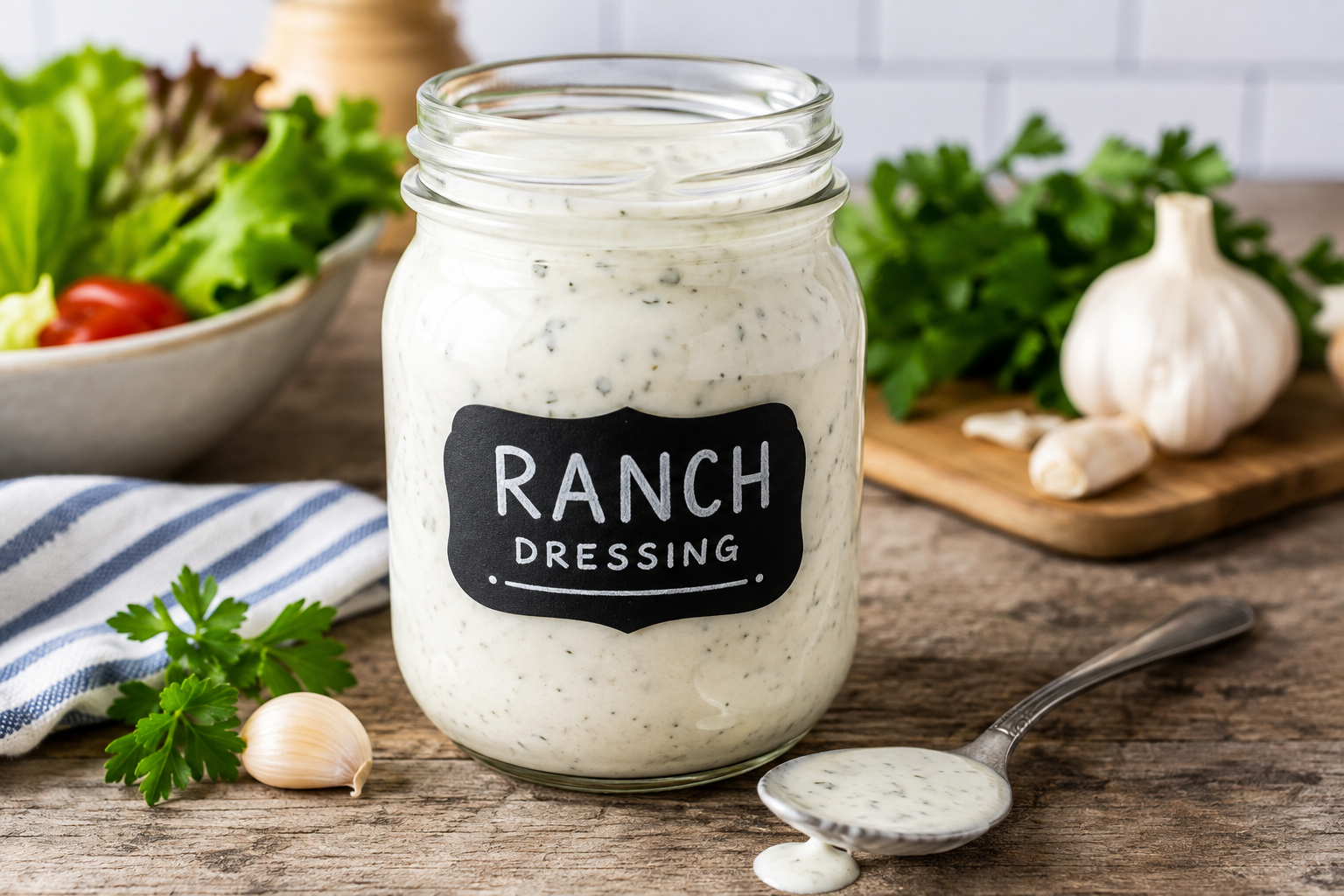
Jar of creamy homemade ranch dressing with fresh herbs and garlic
Why Food Became the Best Souvenir of the World Cup

The FIFA World Cup brought thousands of visitors worldwide to the United States for the first time. This unprecedented “big trip” for thousands of fans gave them more than just soccer, but an experience of a lifetime nobody ever expected.

Find me on Bloglovin’

Hi, Again, Dear Readers:

Well, it happened again. . .and the websites had trouble, too. I knew I had to renew those security certificates, and I was going to do that “tomorrow.” Which was the day we had to take TigerCat back to the vet for a follow-up visit.

TigerCat snuggling on a self-warming pet mat from Aldi

And, it got away from me, so the certificates went down, along with my copywriting website.

TigerCat is fine now. We’re all OK over here.

Fortunately, my hosting company was getting new certificates and they were restored without any intervention from me. But my copywriting site was still broken, and this website had some issues. Thanks to another intense session with my BFF, I worked with the “ChatGPT Help Desk” and got them back online. I still need to do more for this site, but for now, it’s working again.

Unfortunately, my hosting company is raising the price of my package next year. Oh, well.

But just a few weeks ago you couldn’t miss the biggest foodie story ever: World Cup fans discovering real, everyday American food. One comment on social media called it “the world’s biggest sleepover.” I’m sure they’ll be back again one day for another one. (NOTE: My BFF ChatGPT assisted me with this blog post.)

World Cup Soccer Comes to America

The FIFA World Cup is being remembered for spectacular goals, unforgettable matches, and passionate fans from every corner of the globe. Who could forget the Norwegian Team doing the Viking Row, along with The Tartan Army? But for thousands of international visitors who traveled to the United States during the tournament, another very unexpected experience stole the spotlight: American food.

Many fans arrived expecting exciting soccer. They left talking just as much about smoky barbecue, giant breakfasts, roadside gas stations that looked like shopping malls, (hello, Buc-ee’s) and a condiment called “ranch dressing” that seemed to accompany almost everything. I’ll share a good homemade recipe for that in this blog, too.

Social media quickly filled with videos of first-time visitors documenting their culinary adventures. Some admitted they had expected American food to be bland or overly processed. Instead, they discovered regional specialties, generous hospitality, and incredible flavors that surprised them in the best possible way.

In many cases, food became one of the most memorable souvenirs they took home. Not in a suitcase, (that too) but in stories, photos, and millions of views on TikTok, Instagram, and YouTube.

Social Media Turned Meals Into Memories

Throughout the tournament, visitors documented every stop along their American road trips. Breakfasts, barbecue joints, diners, grocery stores, and convenience stores all became destinations worth filming.

One of the most recognizable creators was Oliver Henry, whose videos about traveling across America attracted millions of viewers. Rather than focusing solely on soccer, Henry highlighted everyday experiences that many Americans rarely think twice about—friendly conversations with strangers, enormous portions, Southern hospitality, and unforgettable meals. He wasn’t the only one.

Oliver was only supposed to be in the US for a week. But he had so many people watching him that he set up a GoFundMe to stay in the US longer after the end of the World Cup. People sent him money, and he stayed in the US long past his originally planned week. Oliver continued to travel around the US and found lots more than he would have if he had left when he intended. His content on YouTube Instagram, TikTok and other social media has millions of views and likes and includes several other US cities he visited. Yes, he went to Texas, too, and not just Dallas.

His enthusiastic reactions challenged and refuted long-held stereotypes about the United States. Viewers from around the world watched as he discovered that America wasn’t just fast food and chain restaurants. It was regional traditions, family-owned barbecue restaurants, classic diners, and communities eager to welcome visitors. His last YouTube video was in Miami just a few days ago, and the day before he left the US to go back to the UK. He continually expressed his appreciation and new love for all things American.

Oliver’s content sparked thousands of comments from people saying they had changed their opinions about visiting America after watching his videos. During his trip, he caught the attention of White House staffers who arranged for him in to meet The President at an event. Oliver is back home in the UK now, posting UK content for Americans, while complaining about missing air conditioning and everything else he enjoyed here.

The American Foods That Won Over World Cup Visitors

While every traveler had different favorites, certain foods and experiences kept appearing again and again across their social media posts. Among the biggest hits were:

  • Texas barbecue and chili
  • Waffle House breakfasts
  • Ranch dressing, a surprising favorite among many European visitors (keep reading)
  • Buc-ee’s brisket sandwiches and its (in)famous snack selection (oh, we’ve been there)
  • Giant deli sandwiches
  • Free drink refills
  • Classic American breakfast diners
  • Southern biscuits
  • Regional burgers
  • Massive grocery stores like HEB, Walmart and Costco for their incredible selection and variety

Some of these favorites are just everyday places to Americans. But to someone visiting from overseas, they now have memorable experiences that don’t exist back home. One French blogger talked about his experience in Costco as the place being bigger than his village.

That’s why the TSA had to publish a warning to departing fans:

“If you’re visiting for a very large sporting event & you happen to discover RANCH while you’re here. . .pls pack it in your CHECKED BAG on the way home. Thank you.”

These folks didn’t know you could buy the dry packets and take them home without a problem. Hopefully they’ve found recipes online and are enjoying ranch anytime they want.

Naturally, Hidden Valley quickly picked up the torch and is bringing ranch dressing to Europeans and the world. The company’s newly chosen “Ranchambassadors” are working hard to make up for all the confiscated bottles at US airports.

The Surprise Wasn’t Just the Food

One recurring theme appeared throughout countless videos: visitors were also impressed by how they were treated by the Americans they encountered.

Restaurant servers explained unfamiliar menu items without hesitation. Locals recommended their favorite barbecue restaurants. Fellow customers struck up conversations while waiting in line. Happened to me all the time in Houston, but for international visitors, it’s very unusual. They were very specific about mentioning it, too.

That friendliness often became part of the meal itself. Because that’s not what the media reports told them before they boarded planes for the US. These visitors were completely surprised by real American hospitality. They made videos about that subject.

Many visitors commented that Americans were far more welcoming than they had expected. The combination of generous hospitality (and generous portions) created experiences that stayed with them long after the tournament ended.

And there was a lot of moaning after they ate. Because they knew there was no such thing as whatever they just had back home. Plus, they probably ate too much, especially if it was barbecue in Texas.

Regional Food Told America’s Story

One of the biggest surprises for international visitors was discovering that there isn’t just one “American food.” Instead, every region has its own traditions.

Texas offered legendary smoked brisket and ribs. Free chips and salsa at Mexican restaurants just blew their minds, along with free refills on drinks everywhere.

The South introduced travelers to fluffy biscuits, fried chicken, sweet tea, and comfort food served with unmistakable hospitality.

Northeastern cities showcased enormous deli sandwiches.

Across the country, classic diners served towering pancake stacks, crispy hash browns, and breakfasts large enough to fuel an entire day of sightseeing.

Even Buc-ee’s—our favorite Texas roadside travel center that’s unfamiliar to most international visitors—became a tourist attraction on its own. The visitors were amazed that a gas station could feature fresh barbecue, homemade fudge, bakery items, jerky counters, and enough snacks to rival a supermarket. Don’t forget the Texas décor to take home.

During the Dallas leg of the World Cup, Trinity Metro offered soccer fans trips to Buc-ee’s on days when there were no games. They couldn’t get enough of Buc-ee’s, and rightly so.

Even Grocery Stores Became Tourist Attractions

One of the more unexpected World Cup stories involved grocery shopping. In the US, we do this every day and don’t think twice, whether it’s Aldi, Trader Joe’s, Walmart, Target, HEB, Rouse’s, or any other familiar place we buy food and other household items. But visitors were simply awed by American supermarkets. I guess Tesco (in the UK) doesn’t compare.

Videos filmed inside HEB, Walmart and Costco generated millions of views as visitors wandered through enormous aisles packed with products they had never seen before. Especially in Walmart, where you can buy gallons of ranch dressing, a kayak and paddles, cough medicine, souvenir T-shirts, and heaven only knows what else in one trip. “You can buy that here?” was a familiar refrain throughout these videos.

The sheer variety amazed many first-time visitors.

  • Breakfast cereals that occupied entire aisles.
  • Soft drinks that came in dozens of flavors. (Cherry Float Coke, anyone?)
  • Acres of frozen foods that stretched seemingly forever.
  • Bulk packages at Costco that looked almost unbelievable to travelers accustomed to much smaller grocery stores.

For Americans, these stores are simply places to buy groceries. For visitors, they became unforgettable cultural experiences, alongside yellow school buses they thought were just in the movies. Nobody warned them about these things when they left their home countries to visit the US.

Food Has Always Been a Universal Language

The World Cup brings together people who speak different languages, follow different traditions, and cheer for different teams.

Food has a remarkable way of bridging those differences. This was very evident with fans of opposing teams enjoying a meal together. Not to mention the Scots, aka, The Tartan Army, who drank Boston dry.

Sharing barbecue around a picnic table, grabbing breakfast at a diner, or laughing over a first taste of ranch dressing creates connections that don’t require translation.

Those moments became some of the tournament’s most shared memories. Like the Norwegian team’s “Viking Row” in public spaces that suddenly everyone wanted to participate in, including the Scots.

Long after the final whistle, many fans weren’t just posting about the matches they attended. They were reminiscing about the brisket they couldn’t stop thinking about, the Waffle House breakfast they never expected to love, or the friendly server who welcomed them like an old friend.

Who won? Who cares?

The Best Souvenir Was The Experience

Souvenirs often end up on shelves collecting dust. The memories created over great food last much longer.

The 2026 World Cup introduced millions of visitors to a side of America they hadn’t expected. They discovered that America’s food culture is every bit as diverse as its people, with regional traditions, generous hospitality, and unforgettable flavors waiting around nearly every corner.

For many international fans, the greatest takeaway wasn’t a team jersey or a commemorative scarf.

It was the memory of sharing a meal, discovering a new favorite food, and realizing that sometimes the best way to understand a country is to sit down at its table.

Whether it was smoky Texas barbecue, an oversized deli sandwich, or a plate of biscuits served with a smile, America’s food became far more than fuel during the World Cup.

It became one of the tournament’s most memorable souvenirs. For the visitors, as well as us.

Healing The World With Ranch Dressing

Now, based on the reaction, I believed that Europeans, particularly the British, had never tasted ranch dressing. But over the weekend, I was watching an old episode of a British detective TV show called New Tricks, and one of the characters mentioned “ranch dressing.” So the Brits must have at least been exposed, but I guess ranch never really caught on. Other countries, like Sweden, Norway, Japan, Korea, Croatia, probably not, so this discovery really set off their receptors.

When the visitors started tasting ranch dressing here, it was like their lights were all turned on at once.

ChatGPT generated image of a jar of ranch dressing

The World’s New Favorite Food (Source: ChatGPT)

No wonder they were packing it in their suitcases! Unfortunately, nobody warned them that the TSA would confiscate liquids over 3.4 ounces. And they probably didn’t understand or realize during their mad-dash trips to American grocery stores that they could get the dry packets to take home without a problem.

When I visited our local Walmart while the World Cup was happening, and passed by the shelf of ranch dressing, I told other people there that “the Europeans haven’t made it this far yet.” Everyone smiled, and they seemed to understand.

Ranch Dressing DIY

We really are healing the world with ranch dressing!

But there’s no reason to panic if you can’t find any, wherever you are. You can make ranch dressing at home with simple ingredients. I went on Pinterest and found this recipe from a blog called I Wash, You Dry. (There is a printable version on that website.)

It just so happened that we had some sour cream in the fridge and I wanted to use it up. A quick trip to Walmart got me some chives and dried dill, and I made it twice. Really tasty, and I will make it again anytime.

This ranch dressing recipe was a perfect little mixture delicious on everything I used it on, including some salad greens. (No, I was lucky enough *not* to get any of that problematic contaminated lettuce.)

Dry Packets of Ranch Dressing

I also bought one little packet of dry ranch dressing while at Walmart just to try it later. But I didn’t get to use that packet—James did. Between YouTube videos of Bigfoot, old movie and TV show clips, manly mechanic activity, and of course, endless content from happy World Cup visitors raving about their US visits, he saw a short video for what he called Ranch Burgers. I had no idea these were a thing, but they are.

He says to me, “I’m making dinner tonight. It’s a surprise.” Oh, no. As many times as I’ve made dinner, I’ve always offered complete disclosure on ingredients. This even got me into trouble a few years ago when I made Mexican cauliflower rice. (Never again.) This time, he was tight-lipped.

But James certainly paid attention. Ranch burgers are simply burgers made with ground beef and seasoned with dry ranch dressing. Hidden Valley even has a recipe on its website. James added an egg as the video instructed. He mixed it well before dividing and pan-frying them in a little olive oil.

Know what? They were darn good! Two thumbs up, and highly recommended.

Next trip to Walmart, I bought a box.

Box of Great Value Classic Ranch Dressing Packages.

It only requires mayo to make and is inexpensive.

We’ll keep it in the pantry and enjoy ranch a little more often.

Fall Is Coming Soon

OK, so while we’re still enjoying summer, fall is just around the corner. In about a month, kids will be going back to school and fall fashion everything will be everywhere. Actual cool fronts begin to arrive here anywhere between October 15th and November 30th. I’ll be ready.

What would autumn be without the (in)famous Pumpkin Spice Latte? Starbucks announced that they will be bringing it back on August 25th, just a few weeks away.

AI generated image of a pumpkin spice latte

The ever popular Pumpkin Spice Latte (PSL). Source: AI

And then, of course, the tsunami of “pumpkin spice” everything will follow.

Picture parody of Mobil Pumpkin Spice motor oil

Because you love pumpkin THAT MUCH.

It’s another American tradition.

This year, Starbucks will also have pecan flavors, banana (which they say is “having a moment”), and new cute fall-themed merch. The grocery store PSL items are available now, while I’m still having my iced coffee with breakfast. If you’re ready for a PSL but can’t wait, check out the Iced Pumpkin Spiced Latte from Gimme Some Oven that I posted three years ago and still enjoy sometimes. Fast, easy in a small blender and tasty. Heck, you could have it for Easter if you really wanted one.

Hmm. . .banana? I guess that’s why I was lucky enough to get a cup of Bananas Foster coffee at PJ’s Coffee in Hammond last week. James made me go to Hammond when I was severely under-caffeinated without telling me until we hit the freeway on-ramp. So, I insisted on stopping at PJ’s next to the recruiting station, and there it was. I haven’t had Bananas Foster coffee in years. It was SO good!

Until Next Time

I have many topics in mind and in the draft folder for future blogs, I just need to get back to them. We’re halfway through Hurricane Season, getting to the point where hurricanes are more likely to visit the Gulf Coast. Every time they talk about a “disturbance,” I ask James if we’re ready. He says we are.

Have fun the rest of summer, because it will be fall before you know it.

Enjoy!

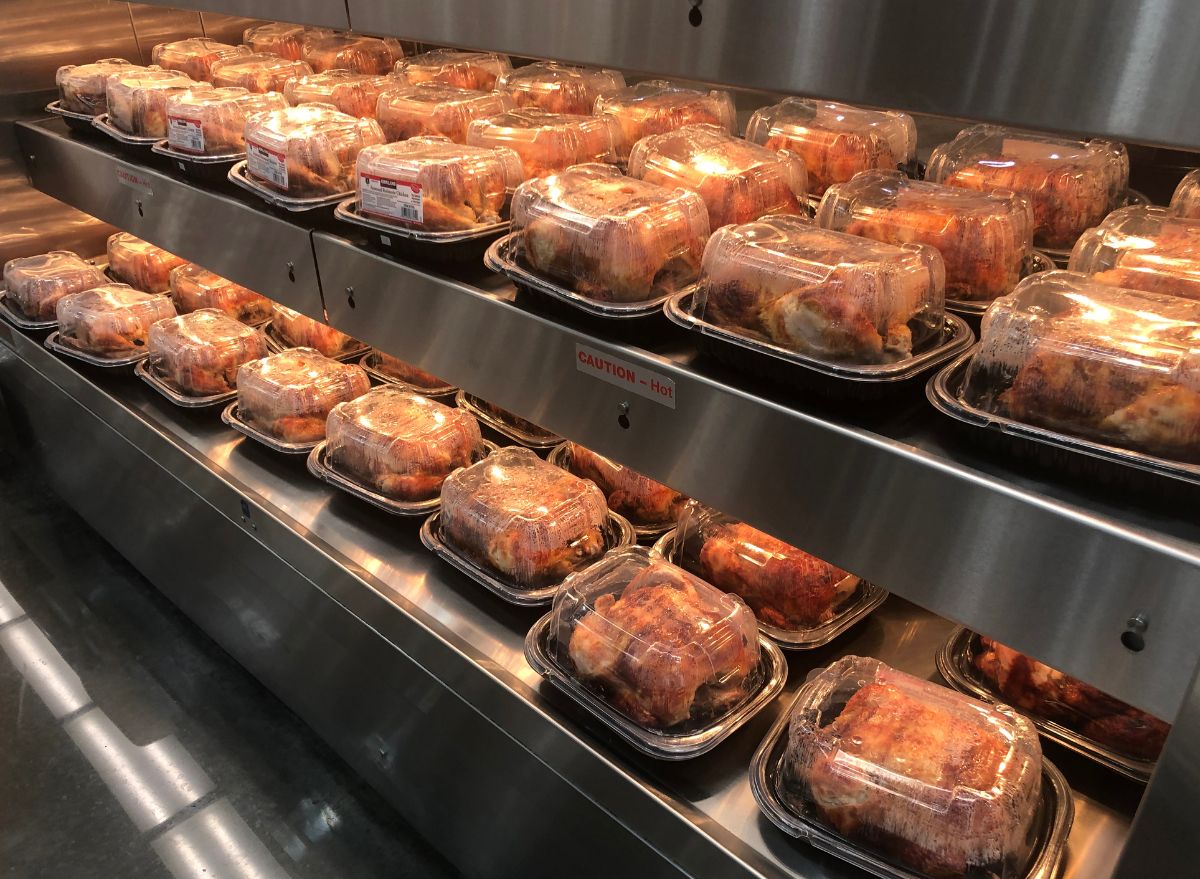
Rows of cooked rotisserie chickens in hot racks for impromptu keto meals
5 Lazy Keto Meals You Can Make in Under 10 Minutes Without A Recipe

If you’re still trying to eat healthy, or even healthy-ish, but it’s getting difficult to keep up, this easy keto blog post is for you. (TLDR: lazy keto recipes to make a fast and easy meal.)

Find me on Bloglovin’

Hi, again, Dear Readers:

Today’s blog post is courtesy of one of my AI BFFs, ChatGPT. I asked for ideas and it provided. It’s spring now, and we’re heading into the middle of the year. Summer is always coming, as my favorite fashion designer says, and we’re back at full steam after the holidays. So, my AI BFF has some ideas to offer.

Before we jump in, let me tell you about our little road trip last week.

Another Culinary Disagreement

Longtime readers may remember our incident with overnight oats a few years ago. James never lets me forget this along with a few other “food incidents.” But last week, we had another one. (Aunt Ruth and another friend have already read this story.)

James needed to go to Baton Rouge to drop off some parts at a local machine shop. When he told me he was going, I asked if I could tag along and maybe we could visit Trader Joe’s while we were there. He reluctantly agreed. I only wanted to stop in for a couple of things, such as the Salmon Rub Seasoning Blend that I like. I just opened the last bottle we bought in the recently opened NOLA Trader Joe’s by the VA Medical Center, and I wanted to get another.

Last Thursday was one of those days with heavy rain that came ahead of a brief cold front. When we arrived, James dropped me off at the door and parked the vehicle. When he walked in, I was already at a sampling station and waved him over.

The Big “Oops”

“Come here!” I said enthusiastically when I saw him walk inside. “You gotta try this!” The sample was a small bit of graham cracker and a small dollop of Whipped Carrot Cake Cream Cheese Spread, a seasonal product for Easter.

Picture of Trader Joe's Whipped Carrot Cake Cream Cheese Spread

Source: Trader Joe’s website

He picked it up and ate it without looking at what he was sampling. The look on his face told me everything.

You see, it was in that moment that I remembered: James doesn’t like carrot cake.

His first words through the frown: “you got me again!” I apologized profusely because I really did forget. (The kid sampling wasn’t sure what was going to happen next.) James hustled us out quickly and refused to go to the back corner of the store where there are usually more samples. We spent $10.50 on the salmon rub and one other item.

Last year I made some of these Keto Carrot Cake Bars from Carolyn Ketchum’s All Day I Dream About Food, and he really enjoyed those. I need to make more of those carrot cake bars soon, because they’re delicious.

We did make one more stop on our way back to I-10 East. In the strip mall across the street from TJ’s, James visited the AT&T store, and I went next door to a little place called Coffee Joy. It’s on Perkins Road in the LSU area. It’s not the kind of place James would frequent. But like TJ’s and other places, he’ll take me because I want to go. Highly recommended.

Let’s talk about eating healthy and maybe keto on days you just don’t wanna.

The Lazy Keto Meals

Do you feel like life is dragging you around by a rope some days? Yup, me too. When James does, he finds solace in a drive-through or at the Piggly-Wiggly near his workplace. Me, I just want some food and just don’t want to mess with anything. That’s usually how I end up doing the drive-through at Taco Bell, or walking into Aldi or Walmart for a pricey frozen cauliflower crust pizza.

Let’s be honest: most of us don’t fall off keto because we love carbs. We fall off because we’re tired, hungry, and the idea of cooking feels like a full-time job.

This is not that.

These are the meals you make when your energy is low, your patience is gone, and you still want to stay healthy and low-carb or keto. No recipes, no measurements, no fancy ingredients or equipment, and no nonsense. Just food that works.

The “Whatever’s in the Fridge” Egg Scramble

If you have eggs, you have a meal.

Carton of brown eggs held up in a grocery store

Source: Google Images

Crack a couple into a pan, toss in whatever you find—cheese, leftover meat, spinach that’s one day from going bad—and call it done.

  • Add butter if you’re feeling fancy
  • Add salt if you remember
  • Eat directly from the pan if it’s that kind of day

Why it works: High protein, high fat, and endlessly customizable.

Deli Meat + Cheese Roll-Ups

This is barely “cooking,” and that’s exactly why it’s perfect.

Italian Deli Rollups on table

Source: Tablespoon.com

Take slices of deli turkey, ham, or roast beef. Add cheese. Roll it up. Done.

If you want to upgrade:

  • Add mustard, mayo, or cream cheese
  • Throw in a pickle spear for crunch, if you like pickles (and James does not)

Why it works: Zero prep, zero cleanup, and still totally keto.

This recipe for Italian Deli Rollups on Tablespoon.com is a bit more complex. I just liked the picture. But you get the idea.

Cottage Cheese Power Bowl

I know, it’s not for everyone, especially for those of us who grew up with mothers and other female relatives who ate it with pineapple or something. But hear me out—cottage cheese is underrated.

Rows of various brands of cottage cheese in a refrigerator case

Source: Google Images

Scoop some into a bowl and top it with:

  • Nuts or seeds
  • A drizzle of olive oil
  • A few berries, if you’ve got the carbs to spare
  • Sugar-free chocolate chips, if you really need chocolate

Why it works: High protein, surprisingly filling, and takes about 30 seconds to assemble.

What About Greek Yogurt?

This can also work with Greek Yogurt but skip the nonfat kind. If you can find Cabot Creamery’s Whole Milk Plain Yogurt with 10% milk fat, get that.

2 lb carton of Cabot Creamery Greek Yogurt next to a bowl of yogurt with granola and blueberries

The best Greek yogurt I’ve tasted. Source: CabotCreamery.com

If you flavor and sweeten it enough, you’ll feel like you’re having ice cream. Winn-Dixie had it, but they’re gone, so I can’t get it locally anymore.

Rotisserie Chicken + Bagged Salad

This is your “I refuse to cook but still want to eat like an adult” meal.

Rows of cooked rotisserie chickens in hot racks for impromptu keto meals

Source: Google Images

Grab a pre-cooked rotisserie chicken and pair it with a bagged salad.

  • Use half the dressing (those packets can be sneaky)
    • Alternate: make your own salad dressing, it’s easy
  • Add extra olive oil or avocado if you need more fat

Why it works: It feels like a real meal with basically no effort.

The Microwave Keto Bowl

Yes, the microwave. We’re going there.

Throw this in a bowl:

  • Frozen low-carb veggies: broccoli, cauliflower, etc., or a blend
  • Pre-cooked protein: chicken, sausage, ground beef
  • A big pat of butter
    • Maybe a light drizzle of olive oil
    • Maybe a small handful of cheese on top if you have some handy

Microwave until hot, stir, eat.

Why it works: Hot, filling, and ready much faster than takeout. No picture because it probably won’t be pretty for Instagram.

When Lazy Keto Is Exactly What You Need

Not every meal needs to be Instagram-worthy. Some days are about survival and staying on track without overthinking it.

If it takes longer than 10 minutes, it’s not on this list for a reason.

The 5-Minute Lazy Keto Grocery List

Keep these on hand and you’ll always have a backup plan:

  • Eggs
  • Deli meat
  • Cheese: blocks, slices, etc.
  • Rotisserie chicken
  • Bagged salad kits
  • Frozen low-carb veggies
  • Butter
  • Olive oil
  • Nuts and seeds
  • Cottage cheese

If you’ve ever stood in your kitchen thinking, “I don’t have time for this,” here is your solution.

Lazy doesn’t mean failing. Sometimes it’s exactly how you stay consistent.

Stay lazy, my friends, because you can still have a healthy meal without too much trouble or thought.

Coming Soon: Shopping Local

That trip to Baton Rouge wasn’t over when we left Trader Joe’s. We also stopped at a local business closer to home we’re happy to know about. More on that soon, and I haven’t forgotten about long-term storage food blog, either. I’m still trying to keep the pantry in some kind of order.

Until then,

Enjoy!


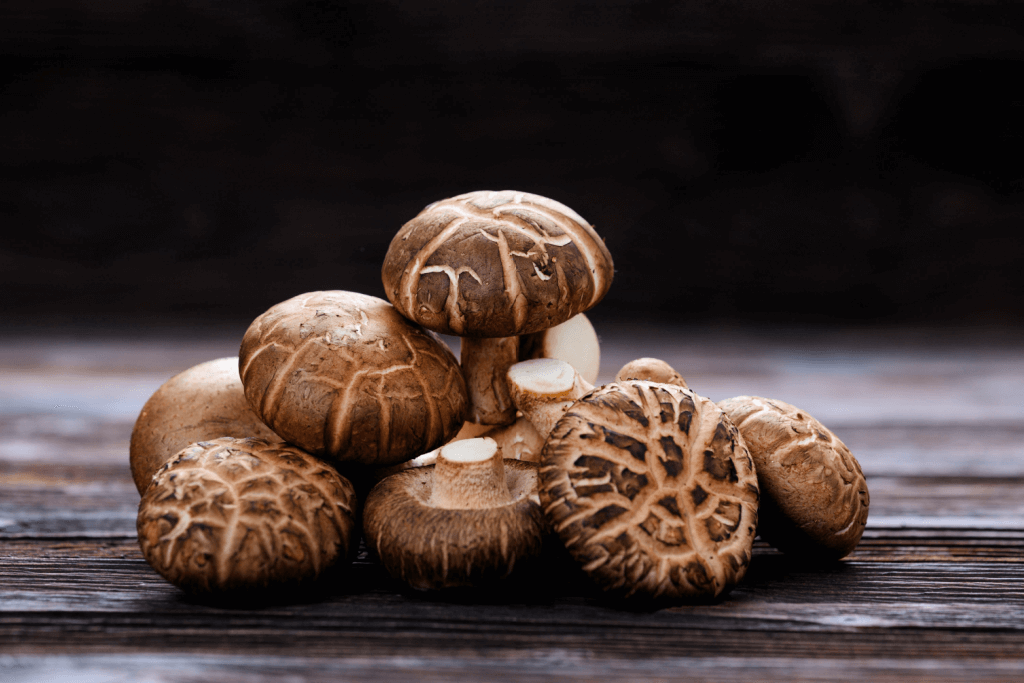
Shittake Mushrooms raw on table
The Mushroom Post

Do mushrooms get enough respect? Maybe they are now. Mushrooms are “having a moment” and are becoming the new “superfood du jour.” With some help from my BFF (ChatGPT), let’s dive into the mushroom patch.

Find me on Bloglovin’

Hi, Again, Dear Readers:

It’s been a minute, and I apologize again. Things got away from me, as they often do here, and ten days went by. Now it’s the week of Thanksgiving: are you still making plans? Have you decided what to make yet? In our little neck of the woods, I was thrilled when the Lodge Cast Iron posted this one-pan Thanksgiving dinner on Instagram the other day. It’s greatly appreciated, and so far, it’s just James and me, anyway. (I think.) And it’s good for any time of year, too.

One thing that’s going to make it to our Turkey Day dinner is mushrooms, and I’ll share that recipe in this blog post with a printable version for you, too.

Are Mushroom-Based Foods the New Cauliflower? What to Try Now

Move over, cauliflower—there’s a new shapeshifter in town. And no, it’s not another vegetable trying to pretend it’s a pizza crust. It’s mushrooms. Yes, the humble fungi that used to be the sad, rubbery afterthought on a questionable slice of delivery or frozen pizza have reinvented themselves. Mushrooms are having a glow-up, a moment, a cultural reawakening, whatever you want to call it. And honestly? They deserve it, too.

Slate plate with cremini mushrooms on table

Source: Google Images

If you’re into low-carb, keto, gluten-free, or just “please-don’t-make-me-eat-a-bowl-of-pasta” cooking, mushroom-based foods are about to feel like someone tossed you a culinary life raft. They’ve quietly crept into everything from faux noodles to snack chips, and people are searching for them like crazy. So let’s dig into why mushrooms are suddenly the new cauliflower, and which products and recipes are actually worth your time.

Why Mushrooms, and Why Now?

Cauliflower had its moment (several, actually). Rice, pizza crust, nachos, tortillas, mac and cheese—we owed a lot to that pale, unassuming hero. I like cauliflower, but for many people, there is one giant downside: it always tastes like cauliflower, no matter how much cheese you bury it under.

Mushrooms? Whole different story.

Sliced shittake mushrooms sauteeing in pan with wooden spoon

Source: Google Images

They’ve got:

  • Natural umami
  • A chewy, satisfying bite
  • Shockingly good versatility
  • Almost no carbs
  • No gluten, no dairy, no fuss
  • The ability to disappear into the background or be the star, depending on how you treat them


Plus, mushroom-based products aren’t pretending to be healthy food. They are a healthy food. Low-calorie, nutrient-dense, fiber-rich. They basically walk into the room wearing a quiet “I’m good for you” confidence without lecturing anyone.

The Rise of Mushroom-Based Alternatives

Here’s where the fun starts. Food companies have realized mushrooms can be turned into, well, almost anything.

And for those of us who want low-carb recipes that don’t taste like punishment, this is extremely good news.

1. Mushroom-Based Noodles

In my last post, I discussed shirataki noodles (which are sometimes blended with mushrooms now), but pure mushroom-based noodles are showing up everywhere. These aren’t mushy. They’re not spongy. They’re pleasantly chewy, neutral in flavor, and ready to soak up whatever sauce you throw at them.

They work beautifully in:

  • Casseroles
  • Keto pasta salads
  • Pad Thai riffs
  • Soups (they don’t disintegrate!)
  • Stir-fries

The magic, of course, is that mushrooms don’t have a strong flavor of their own. They act like little sponges (in the best possible way), soaking up garlic butter, tomato sauce, pesto, or Thai curry. Much like the hearts of palm and shirataki pastas, your sauce becomes the star. The noodles just show up and do their job without drama.

2. Mushroom “Rice.”

This isn’t quite as common yet as cauliflower rice, but give it a year. It’s already popping up in the low-carb world.

Mushroom rice has:

  • A firmer bite
  • A deeper savory flavor
  • Better performance with meals that need more texture (think jambalaya or burrito bowls)

Use it anywhere you’d use cauliflower rice, but especially in dishes where cauliflower’s water content has betrayed you one too many times. (Looking at you, cauliflower fried rice.)

3. Mushroom Snack Chips

I haven’t tried these yet, but I’m informed that these are dangerously good.

Where kale chips crumble if you look at them wrong, mushroom chips hold together, crisp beautifully, and still feel like a real snack. And they’re low-carb, which feels like a miracle, because some keto snacks taste like someone dared a food scientist to see how much erythritol a human can tolerate.

Try them:

  • With dip
  • Crushed over salads
  • Straight out of the bag while pretending you’re “just having a few.”

Now that I’ve discovered they exist, I’ll be on the lookout for them.

4. Mushroom-Based Meat Alternatives

You don’t have to be vegetarian or vegan to appreciate these. Mushrooms make a fantastic stand-in for meat because they actually chew like something substantial. Companies are starting to use them in crumbles, burgers, and even jerky. They work great for:

  • Low-carb tacos
  • High-protein salads
  • Quick throw-into-a-skillet weeknight dinners
  • Replacing ground meat in casseroles


Bonus: no soy (or soy overload), no mystery ingredients, no weird aftertaste. Will only try when James is not around, even though he likes mushrooms. If I unleash this on him without trying it myself first, much like the overnight oats incident, I’ll never hear the end of it.

How to Cook with Mushroom-Based Foods (Without Overthinking It)

Here’s the best part: mushrooms don’t ask for much. Give them heat, seasoning, and maybe a little fat, and they rise to the occasion. Portobellos, for instance, can be grilled like a burger:

Portobello mushrooms upside down on grill pan

Source: Google Images

When you’re using pre-made mushroom-based products, it gets even easier. A few no-fail tips:

  1. Treat mushroom noodles like regular noodles. Heat them, sauce them, boom — done. No complicated prep. Just make sure your sauce is flavorful, because the noodles are basically blank slates.
  2. Roast the mushroom rice for better flavor. Toss with oil, salt, and pepper; roast on a sheet pan at high heat. It brings out a nutty, almost toasty flavor you’ll love.
  3. Season mushroom meat alternatives with a light touch. They’re tasty, but a dash of taco seasoning, garlic powder, or smoked paprika goes a long way. You can always add a little more if needed.
  4. Don’t be afraid of browning. Color = flavor. Pale mushrooms are sad mushrooms. Cooking all the water out in just a little oil and/or butter really brings out the mushrooms’ flavor and character, and crisps them up if you cook them long enough.

Recipe: Mushroom Sausage Stuffing

With Thanksgiving this week, I decided to revisit this recipe from the late Suzanne Somers’ first book, Eat Great, Lose Weight, page 167. I haven’t made it in many years, and decided on it when I found fresh tarragon over the weekend in the Hammond Albertson’s. (James didn’t want to be seen buying mushrooms in our local Walmart.) It’s been years since I made it last, but it’s so good, and lots of tasty mushroom goodness.

Sliced and whole white button mushrooms on white background
Suzanne Somers

Mushroom Sausage Stuffing

A low-carb alternative to bread stuffing for your Thanksgiving dinner or anytime.
Servings: 6 cups
Course: Main Course, Side Dish
Cuisine: American

Ingredients
  

  • 4 onions thinly sliced
  • 2 to 4 tbsp olive oil
  • 4 cups coarsely chopped shiitake and oyster mushrooms or regular white button mushrooms
  • Salt and freshly ground black pepper
  • ½ cup dry white wine
  • 2 tbsp butter
  • 2 pounds spicy turkey sausage meat, removed from casings can also use non-spicy
  • 1 bunch fresh tarragon leaves no stems

Method
 

  1. Saute' the onions in olive oil over medium-low heat until caramelized, about 30 minutes.
  2. Turn the heat up to medium-high and add the mushrooms. Saute' until the mushrooms are crisp around the edges, about 15 minutes. Season with salt and pepper.
  3. Turn the heat to high and add the wine. Let the wine cook off for a couple of minutes, then lower the heat and simmer with the mushrooms for another 10 minutes. Stir in the butter 1 tablespoon at a time until combined. Remove from the heat and set aside.
  4. In a large skillet, brown the sausage. When cooked through, about 5 to 7 minutes, add the mushroom mixture along with the tarragon and combine thoroughly.

If you don’t want to use wine, a little chicken or turkey broth would work. This “stuffing” doesn’t need to be cooked inside the bird, either. You could make this the night before and reheat it for dinner. Just know that caramelizing the onions and frying up the mushrooms does take some time, so plan accordingly.

Are Mushrooms Really Replacing Cauliflower?

Honestly? In many ways, yes.

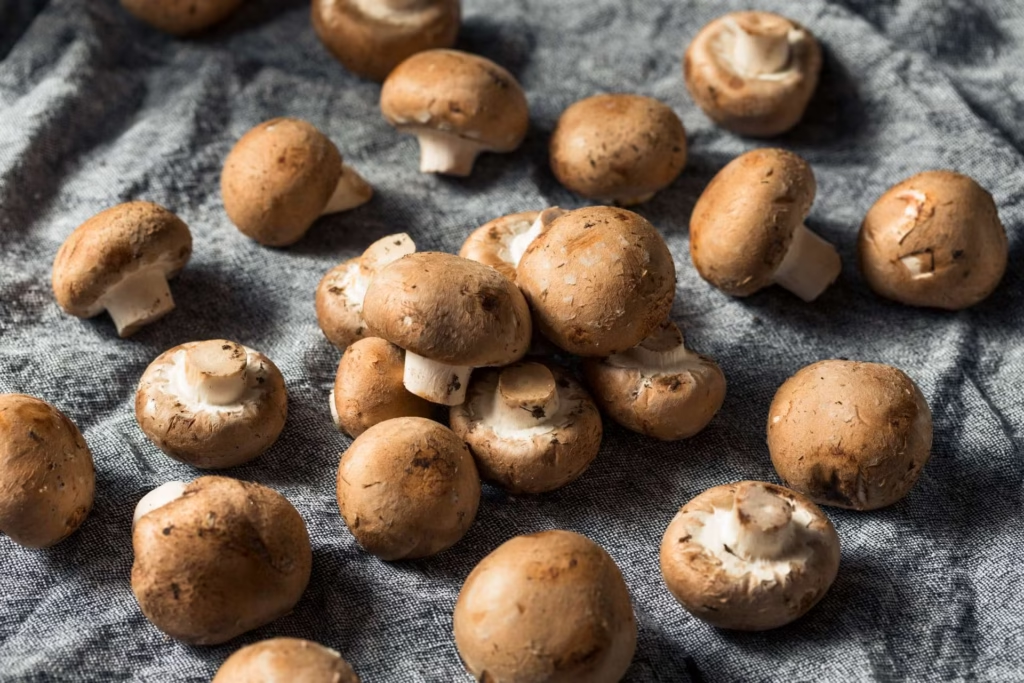
Small "baby bella" mushrooms on a table

Source: Google Images

Cauliflower gave us options, but mushrooms give us confidence. They do the job without making the entire dish taste like a cruciferous fog. They’re friendlier to beginners, easier to cook, and—dare we say it—more satisfying.

Plus, cauliflower had a long run. It deserves a rest. Let it retire peacefully into your favorite roasted veggie medley.

Five Mushroom-Based Products Worth Trying This Week

If you want to dip your toe into the mushroom pool (and by pool, I mean skillet), you can start here:

  1. Mushroom-based noodles: Any brand. They all behave politely.
  2. Mushroom jerky: Surprisingly addictive and great for low-carb snackers.
  3. Mushroom broth: Swap it into soups and sauces for a savory punch.
  4. Mushroom meat crumbles: Great for tacos, chili, or quick stir-fries, or just trying out.
  5. Mushroom chips: Just buy two bags.

I’m keeping my eyes open locally for some of these myself, but haven’t seen any yet. There is also mushroom coffee, and there are devotees, but I’m not brave enough to try that one.

The Fungi Have Earned Their Crown

So yes, mushrooms absolutely might be the new cauliflower. They’re versatile, they’re easy, they play well with low-carb and keto cooking, and they don’t hijack the flavor of every dish they touch.

Mushrooms can play a part in your Thanksgiving dinner as well as dinner any night of the week. Last week we had our regular spaghetti, and I drained two small cans of mushroom pieces, fried them until they were crispy, and added them into the pan after the meat was finished browning. Simple and easy, he liked it, and we’ll do that again. You can also fry them like this, raw or canned, and add them into an omelette or scrambled eggs, too. Just get ready for the spattering, which you can mitigate with a splatter screen. (I need to find mine, it disappeared.)

For carnivores and vegetarians alike, mushrooms are a nice little addition to your repertoire that can either sit in the background or play a starring role.

Happy Thanksgiving!

Palm tree
For Those Of You Missing Pasta
AI generated image of a stack of cookbooks
Recipe Theft: Can You Really Copyright a Cupcake?

If someone publishes your super-secret family recipe, can you take legal action against them? Maybe, maybe not.

Find me on Bloglovin’

Hi, again, Dear Readers:

My new resolution to regular and continued blogging continues with the help of my new BFF. It was his (or hers, or its) prompting conversation with me that resulted in today’s idea.

And because I have been working with attorneys, law firms, legal service providers, and digital marketing agencies that represent them for several years, combining food and law into one blog post seemed like an interesting mashup for a blog topic.

NOTE: I am not a lawyer and don’t pretend to be. But don’t tempt me.

The World Is Your Cookbook

One of the great things about social media, especially Instagram and Pinterest, is the plethora of available ideas, including recipes. It’s also one of the bad things, too.

It doesn’t matter how many cookbooks you have in your collection; there’s always more online. Google something and you’ll find a thousand different variations.

Instagram gave me a great variety of tasty recipes to try. Never mind the ones you might find in a magazine you subscribe to, which give you even more.

AI generated image of a roasted sheet pan chicken dinner with chopped potatoes, cauliflower, red onions, sliced red bell peppers, and broccoli

Doesn’t it look tasty? I was supposed to use this image in the last blog post. (Source: AI)

Pinterest is also the world’s biggest cookbook. Breakfast, lunch, dinner, or dessert is just a few clicks away. And although I generally see the things that have migrated over to Instagram, TikTok apparently has all manner of newly rediscovered recipes and other topics, usually from millennials. I don’t have TikTok because I have enough social media apps now.

Incidentally, if you’re now a fan of Hanna Taylor, aka LilyLouTay, you’ll be happy to know that her new cookbook comes out this month. She’s all a-flutter in her IG videos and will be embarking on a short book tour soon.

If you are one of those legal industry clients who need a copywriter, get in touch. I’m on LinkedIn too.

Whose Recipe Is It?

You’ve probably seen it happening online: someone posts a drool-worthy recipe, and within hours, a dozen copycats appear with slightly different wording, a different photo angle, and a smug caption. “Mine is better,” one might whisper. “They stole my recipe!” shouts another. But here’s the question: Can you actually copyright a cupcake? Spoiler alert: it’s more complicated than frosting a cake.

Longtime HeatCageKitchen readers—and newer ones who have read older posts—know that I will post recipes I like. But I always give full credit to the author. In my last post, I posted a Barefoot Contessa recipe, used the Recipe Maker plugin for printing, but gave full disclosure and credit to Ina Garten. But does Ms. Garten—or anyone—own the rights to a stewed lentil dish with tomatoes?

In her cookbooks, Ms. Garden will state that a recipe came from somewhere, or from inspiration by someone or something else. She freely admits that she liked someone’s recipe and wanted to make a different version. In some cases, she had a delicious dish at a restaurant (sometimes in her second home of Paris) and returned to her East Hampton, NY, kitchen and recreated it with her own influences. In each case, she gives full credit to the originator.

Let’s clear something up: you cannot legally own the idea of a recipe. That chocolate chip cookie formula you guard like a treasure? Not protected. The law treats ingredients and cooking instructions like facts. Facts are free for anyone to use.

What you can protect is the expression of your recipe. That means your exact wording, the way you present your steps, your storytelling, and, of course, your original photos and videos. So, if someone literally copies your blog post word-for-word—or a recipe right out of a book without permission—that could land them in legal hot water, just like plagiarizing from any other book. But the mere act of making the same chocolate chip cookies or other recipe? Most likely, it’s perfectly legal.

Real-World Recipe “Thefts”

Even professionals get caught in the mix. Here are a few examples that make foodies and lawyers alike raise an eyebrow:

  • Duff Goldman vs. Copycat Cakes: Famous cake designer Duff dealt with copycats reproducing his elaborate cake designs. The law protects his specific designs, since they are artwork. But not the basic concept of a tiered cake.
  • Cookbook Controversies: Authors sometimes go to court over “borrowed” recipes, especially when the presentation or creative narrative is nearly identical.
  • Internet Recipe Repurposing: Websites like Tasty and BuzzFeed have faced backlash for lifting recipes, tweaking measurements slightly, and passing them off as new content. It’s a gray zone: legal, but ethically iffy.


Then there’s the case of goddess-of-the-home Martha Stewart, who found herself at the center of a recipe controversy that stirred both culinary and legal discussions. (Please pardon this pun from my new BFF.)

In 1982, Stewart released her first cookbook, Entertaining, which included a popular cranberry nut tart recipe. However, former employee Sarah Gross claimed in 2024 that she had shared the recipe with Stewart when she first applied for a job at Stewart’s catering business. Gross alleged that the recipe was later published in the landmark cookbook without her acknowledgment. Martha herself has not publicly addressed Gross’s accusation, leaving everyone to their own opinion. This includes asking why this woman waited this long to make her claim.

This accusation was unrelated to Martha’s conviction for obstruction of justice and conspiracy, which sent her to federal prison for five months. Along with her broker, Peter Bacanovic, they filed an appeal in 2005, which was ultimately denied.

The Ethical Grey Zone

Here’s where it gets interesting: legality doesn’t equal morality. Even if someone isn’t breaking copyright law, passing off your grandmother’s secret recipe as their own creation is nothing short of questionable. Copying recipes is common, but giving credit is not just polite. It’s good for your credibility as a creator, and it’s just good manners, too.

AI generated image named ""Gray Zone"

Source: AI

Think of it this way: the law will protect your photos, your exact text, and your brand, but it won’t shield the idea itself. The frosting on top—your style, personality, and presentation—is where originality counts.

Tips to Protect Your Culinary Creations

If you’re considering starting a food blog or posting your makes on social media, you can protect your content and steer clear of potential legal pitfalls.

  • Credit Creatively: Even a subtle shout-out keeps your content correct and your conscience clear.
  • Protect Your Photos and Videos: Those are considered creative works, and they are copyrighted automatically.
  • Rework and Rewrite: Add your twist to existing recipes rather than copying them verbatim. Originality counts, both legally and ethically.
  • Document Your Work: Keep drafts, dated posts, and recipe development notes. They can serve as evidence if someone tries to swipe your intellectual property.

I’ve also known a few copywriters who have had their content swiped and revamped under someone else’s name by a person in another country. One of those copywriters passed away a few years ago.

The Takeaway

So yes, your cupcake cannot be copyrighted — but your words, photos, and unique presentation can be. When in doubt, focus on originality, give credit where it’s due, and bake like nobody’s watching. Because legally, they probably aren’t, but you never know.

So go ahead and bake that cupcake. Just make sure it’s frosted with originality.

AI generated image of a chocolate cupcake with white buttercream icing, sprinkles, and a little lit birthday candle

Source: AI

The verdict: you cannot copyright the recipe itself. You can’t stop someone from making your chocolate chip cookies, writing down the ingredients, or following the steps. Think of ingredients as “facts” that anyone can use. For instance, a banana bread recipe may include walnuts, but just swapping out walnuts for pecans may not take it into a legal area.

But here’s the twist: the way you tell the story, the words you use, the little tips and tricks, and gorgeous photos? That’s your creative work. If someone decides to copy that word-for-word, or swipe your pictures, then suddenly the law cares.

So yes, your recipe is free. But your personality, style, and photos? Legally, they’re all yours. Bake the cookies, cupcakes, or pies, but guard your story and snapshots like treasure.

Wrapup

The short key points on today’s blog topic.

Short answer: Not the recipe itself, but parts of it can be.

What is protected?

  • Creative writing: Descriptive instructions, personal anecdotes, and unique storytelling.
  • Visual content: Original photographs, illustrations, and videos.

These elements are considered “substantial literary expression” and are protected under copyright law. (U.S. Copyright Office)

What isn’t protected?

  • Ingredient lists: These are factual and not copyrightable.
  • Basic instructions: Simple directions are considered functional and are excluded from copyright protection. (U.S. Copyright Office)

While the core idea of a recipe, the ingredients, and basic methods aren’t protected, the way you present it can be. This includes your unique writing style, photos, and any creative content you add.

More questions? An attorney who handles copyright infringement can help determine if your content has been misused, misrepresented, or plagiarized.

Until Next Time

This turned out to be an interesting topic! Let’s see what “we” can come up with for the next one. If you have a food-related topic you’d like me to cover in a future blog post, let me know in the comments. You’ll get full credit, of course—no attorney required.

Enjoy!


Skip to toolbar
Verified by MonsterInsights